Showing posts with label barefoot lifestyle. Show all posts
Wednesday, June 29, 2016
Friday, May 30, 2014
Minnetonka Moccasins ReReview
I've been wearing moccasins for maybe
five or six years now, ever since I started running (and trying to
live) barefoot. And the types I've used have all been from the
company Minnetonka—the most readily available, in stores and now
you can order them from their website.
Moccasins, or the models I wear, are
'zero-drop' at the heel, soft and comfortable, and the leather
generally hides odor. I don't wear socks with them, not even in a
Michigan Winter, where they generally kept my feet warm (I now live
in Oregon and Arizona, so cold isn't an issue so much).
Minnetonka
does offer a type of hardcore cold weather moccasin-boot, the Pug Boot, in the
style of what Inuits and other northern tribes use. Leather on the
outside and rabbit fur lining, with plastic soles. Super warm. I wore
them with just my bare feet in Michigan blizzards and felt fine,
even when the rest of me was freezing!
One thing I love about moccasins is how
easily they slip on and off, more so than even any model huarache I
have. Once they get stretched out and form to your feet, you can slip
feet in and out without even having to reach down with you hands. So,
for example, if I'm going to go hang out in a cafe and write and
read, I may actually opt for my mocs versus my huaraches, simply
because I know I'll be able to slip them off quickly and
conveniently, and even a little discreetly too. And if I need to get
up for something, so as not to freak out non-barefoot-friendly
people, I can slip them on quick.
The biggest advantage of moccasins is
that they are fashionable, yet still comfortable. A couple years ago,
in Michigan, they even seemed to be somewhat 'cool'—at least with
my young female students. And I've been told my female friends who
are way more conscious about these things than I am that they look
fine for a night out on the town, in jeans and a dressier shirt for
guys. And, I think they offer a slight air of eccentricity. Perhaps.
But the main thing for me is comfort.
People do use moccasins, and especially
Minnetonkas, for other things. Some use them as slippers around the
house, and in fact I did have a student ask once, in class, “Why
are you wearing slippers?” And you can buy versions that have
flannel or wool linings.
Some hunters like to wear them out in
the woods, to be quieter. Which, you know, makes sense. They're what
the natives of Turtle Island (at least in the northern climes) have
been hunting in for hundreds, if not thousands, of years.
There are two kinds of Minnetonka
moccasins I use and recommend. The first are the more commonly found
in stores, and offer the double layer sole. These are the kind most
often used as slippers. Note: there is a version with only one layer
of sole, and though comfortable (like, feels almost barefoot) if
wearing out on pavement in city, the bottom is going to wear through
pretty quick. The double layer version may feel a little too cushy at
first, but it'll mash down. Note too that these layers, these soles
are of soft leather, and will get wet and soggy in any kind of wet
weather.
For wet weather, I would recommend
getting Minnetonkas that offer some kind of hard plastic sole. Women
have more options here, as far as bottoms that are zero drop on the
heel. For men, Minnetonka only offers one brand that is true zero
drop, the Classic Moc. I did try one other kind for a couple years, the Double Bottom Hardsole, which look more like Docksiders, with a slightly raised heel,
and they were ok, and even looked more 'normal' or acceptable, though
one big problems is the inner lining was not soft leather, and
therefore didn't absorb foot odor.
But the Classic Mocs do a good job of keeping
the feet up off of wet pavement. The soles are a little high,
all-around, and stiff, and if there are puddles, the leather can
still get wet. Note: bought new, Minnetonka puts a leather heel
insert inside that actually raises the heel a little. The inserts are
just glued in, and I pulled mine out. This may have cause in bottoms
to wear out quicker, and the inserts might just mash down after a
short while, and off more shoe life. The next pair I buy I may keep
them in for a while to see how they feel.
I did experiment with running in my
moccasins. Not the dressier ones, but the soft-soled kind. And, they
do work really well in cold weather for keeping the feets warm, even
on snowy trails. They only problem was, again, they got wet, and the
soft soles are kinda too soft, and wore out very quickly. On dry
terrain they might last longer, though for that I'd just use some
form of huarache sandal. But, if Minnetonka, or someone, could pair
their basic double-layer moccasin with some kind of rubber or Vibram
sole, that might be a nice cold weather running shoe.
Unfortunately, Minnetonka doesn't offer
any moccasins with hard leather soles. That might be ideal both for
wet pavement, and even for trail running. I have seen moccasins like
this, one of my students in Jackson, Michigan wore some one time. I
asked her about them, and she said that she bought them on her
reservation nearby, but I didn't actually get the name brand, nor
even which reservation. But they exist. [If you know what these are,
please let me know down in the comments section!]
I'd recommend trying them on in-person
at a store. Moccasins, being leather, tend to run smaller in sizes,
but they will eventually stretch. Get them snug. Also: whenever I get
a new pair, for some reason they chafe on my heels for a while. It's
good, they're designed that way, to curve in and grip the heels. But
fear not, just ease into wearing them and soon they'll be comfy. Like
wearing slippers but out and about.
Wednesday, May 21, 2014
Xero Shoes ReReview
After a good two years of use, my Xeros
tend to be my go-to huarache for day-to-day walking around the city
in good weather, if and when I'm not going barefoot during the day. I
have the originals, the 4mm, which are the thinnest huarache
available, that I know of, now that Lunas make all theirs thicker.
The thin shoelace laces work fine, just
as well as any of the leather or hemp laces I've tried on other
sandals. No slipping, and no having to stop and re-tighten them. They
may fray a little quicker, but are easily replaceable (I haven't had
to yet though), whereas my hemp laces (which I won't even use
anymore) and leather laces have all worn through and broken off at
the toe hole. And, I'm not into this myself, but the thin lace makes
for easy decoration with beads.
As for running, I use my thin Xeros for
either short runs on the very gravelly trail of Forest Park in
Portland, when dry, and on my longer 17 mile loop down to Sellwood
and back along the paved bike trails—that is, I'll run most of is
barefoot, and carry the Xeros rolled up in one of my drinking bottle
pouches (which with the thicker huaraches I wouldn't be able to do)
and then slip them on at about the halfway point, where, one, my feet
are getting a little raw, and two, the bike trail pavement gets
really (and unusually) rough. Also, in mid-summer, in Portland, the
blacktop can just get really hot—I got blisters on one section when
trying it barefoot. The Xeros give just enough protection.
The ways I've chosen not to use Xeros
are for city marathons (because I just run those barefoot), and for
trail marathons, where I either have worn VFFs, or my thicker Lunas,
only because I happen to own them already, and where I just like I
little be more protection, in case of bad gravelly areas (though
Xeros also come in thicker-soled versions). If you're new to longer
runs, like marathons, and want to run them barefoot but just aren't
sure you can make it, a pair of thin Xeros rolled up somewhere on
your bat utility belt would offer a great 'just in case' option.
The one thing Xeros are not good for,
and this is true of all my huaraches, is running in wet weather: the
rubber just gets slippery with any kind of wetness. Even on sunny
days after a rain, if the trail has any kind of mud or puddles, and
the huaraches get dipped in them, I find my feet slipping. Huaraches,
maybe no surprise, are far better for dry, especially desert
conditions. For wet weather running, my recommendation is still the
Vibram Five Fingers (see upcoming review).
At night, and in cooler wetter weather,
I tend to wear my Minnetonka moccasins for day-to-day walking around
the city. They have the advantage of being somewhat socially
acceptable, and they slip off real easy. (See upcoming review). But
for comfort, and having the feet in the open air, nothing beats
huaraches.
At about half the price of Lunas, Xeros
are the far better buy. Again, the Xero company also offers a thicker
6mm sole, and now have an elastic better-gripping lace similar to
Lunas', though I have not tried it. I will though. The next time I
need to buy some huaraches, either thinner, or maybe for something a
little bit thicker (for longer dry runs, and/or hiking/backpacking) I
will buy Xeros.
Labels:
barefoot lifestyle,
barefoot running,
footwear review,
huaraches,
review,
running,
sandals,
Xero Shoes
Thursday, May 8, 2014
Barefoot Survey 2013
An interesting analysis of a 2013 survey on barefooting I just came across through the Barefoot Running Society website (thebarefootrunners.org).
That link is here.
There is a new one, for 2014. Time is running out to participate!
Go here to take survey.
Image above is to the question: Do you like wearing shoes?
That link is here.
There is a new one, for 2014. Time is running out to participate!
Go here to take survey.
Image above is to the question: Do you like wearing shoes?
Tuesday, April 15, 2014
My new blog
Hey folks—
I have a new blog, covering my writing life, and 'All things Yohe.' This running blog will continue, though as you can tell, I've been less active. I'm still running, just not running races at the moment, due to my financial situation.
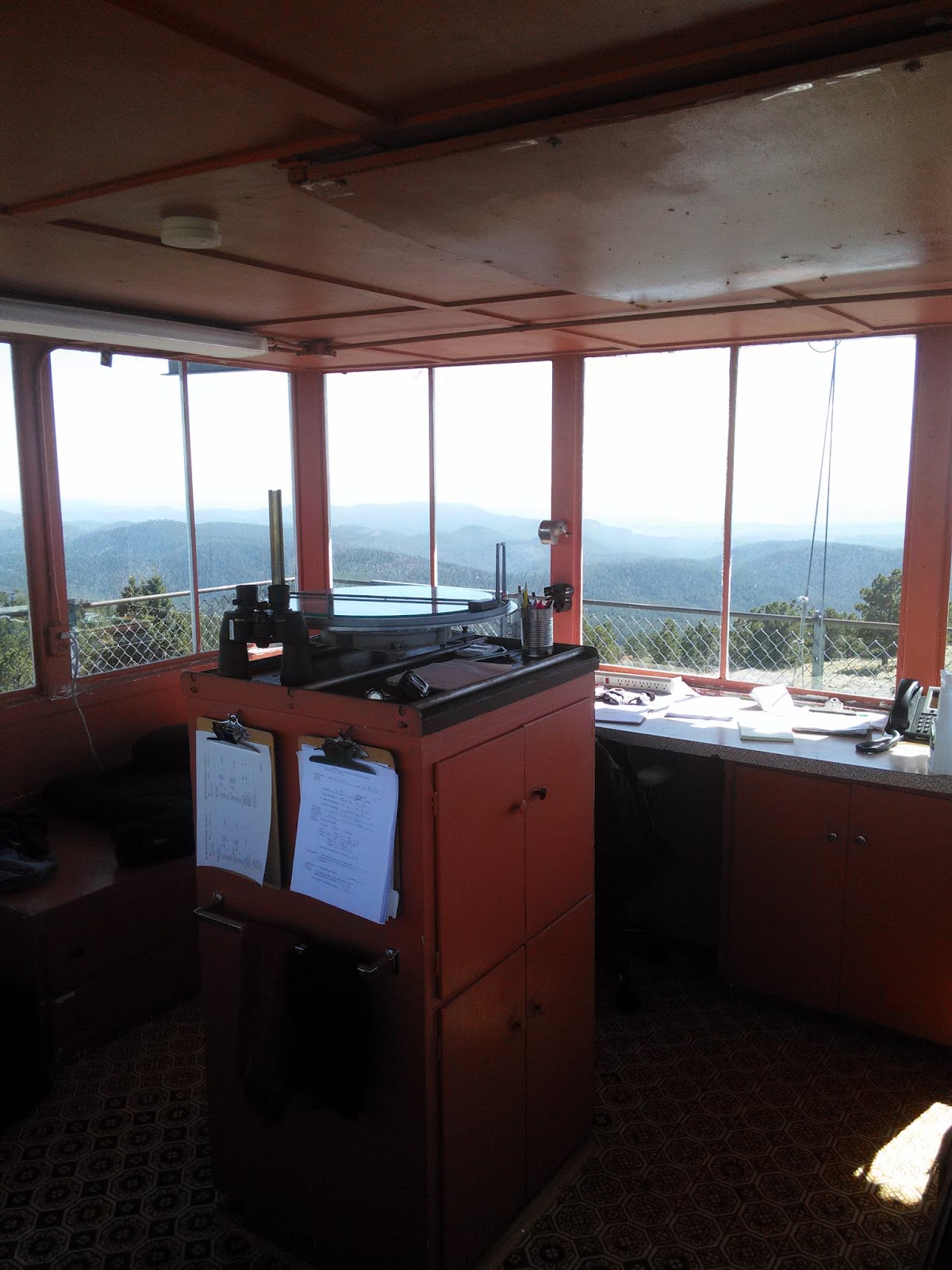
That is changing, however. I've taken a fire lookout job down in Arizona for the summer, where I plan to be barefoot all the time, as well as do a lot more running. I'll post updates, and hopefully in the Fall will feel comfortable enough (ie have disposable income enough) to sign up for some marathons back in here in Portland. I'd also like to write some footwear reviews before I leave, but we'll see.
In the meantime, feel free to visit my new blog: johnyoheblog.blogspot.com.
And my website: www.johnyohe.com.
Thanks for reading!
I have a new blog, covering my writing life, and 'All things Yohe.' This running blog will continue, though as you can tell, I've been less active. I'm still running, just not running races at the moment, due to my financial situation.
That is changing, however. I've taken a fire lookout job down in Arizona for the summer, where I plan to be barefoot all the time, as well as do a lot more running. I'll post updates, and hopefully in the Fall will feel comfortable enough (ie have disposable income enough) to sign up for some marathons back in here in Portland. I'd also like to write some footwear reviews before I leave, but we'll see.
In the meantime, feel free to visit my new blog: johnyoheblog.blogspot.com.
And my website: www.johnyohe.com.
Thanks for reading!
Friday, November 22, 2013
Here we go again....
Well, that was quick: I've now been asked to leave yet another cafe for taking off my shoes and sitting at a table barefoot. I swear, it just takes one employee who thinks he knows everything, to ruin things. So, I wrote another letter to the owner (below). But man, I mean, I maybe Portland just isn't my town. I swear, I'm just being a quiet writing dude, keeping to myself, not even walking around the place barefoot! I just want to be left alone.
Anyways, here's the letter:
Christine:
I have been a fairly regular customer for about a half a year now, coming in a few times a week, to write and read and generally hang out in a friendly place. I have always appreciated your friendly employees, and how they remember me and my drink. So I was really disappointed about how I was just treated at the 10th Street cafe this evening.
Here's what I was doing: I was sitting at a table, writing. I had slipped my feet out of my shoes in order to tuck my feet up under me and be more comfortable. After and hour and a half of doing this (and I've done this since I've been coming to your cafe), an employee, male, came over and told me, rudely, that I would have to put my shoes back on. His explanation was because of "safety." When I inquired what he meant, he said that there could be broken glass. Again, I was seated at a table, with my shoes right under me. I was not walking around. I informed him that I would watch out for glass. He then said, "Plus there are other people here." I asked him what he meant by that, but he repeated that I would have to put on my shoes for safety, and that there were other people there. I told him I would prefer not to put on my shoes, but he repeated himself again. I asked him if he was kicking me out. He replied that if I did not put on my shoes, then yes.
I was not doing anything wrong. I appreciate that your employees are looking out for my safety, but I can take care of myself. Though I don't think that's really what he was talking about, and I'm not clear exactly what he means by other people being there?
Just to be clear, there's nothing wrong with taking one's shoes off in public. There are no laws, no health codes, nothing like that. I'm sure you know this.
What I would like is an apology for his rudeness, and assurance that if I want to make myself more comfortable in your cafe, I can, just like I've been doing for the last half year.
I would really like to not worry about this, and continue giving you my business. I would like a response.
Thank you,
John Yohe
Update:
Well, I finally received a reply from the owner. She invited me to call her, which I did, with some trepidation. She does seem to be a sincere kind-hearted person, and to really care that her customers have a good experience at her place. That said, I don't think she has all her facts straight (surprise).
The good news is that she did 'give a talking to' the employee who was rude to me, about the 'how' he talked to me, if not the what.
The bad news is she basically used the employee's 'reasoning' to say that she couldn't allow anyone to be barefoot (again, surprise). That is, it was both a safety issue, and a courtesy to other customers.
Supposedly, another customer complained about me being barefoot. The owner wasn't there, so I'm not clear if this was just what the employee in questions told her, or if other employees said this. I kind of have my doubts, since I was, at the time, in a back corner and there wasn't anyone near me. But even then, I questioned why one customers opinion/feelings was more important than mine. She didn't really have an answer to that.
Instead she switched to the 'safety' issue, claiming that there could be broken glass. Then she paused, perhaps realizing that her cafe actually doesn't have any glass, and said that broken ceramics could be a problem too. I again said that I was sitting in a chair, but that didn't seem to matter.
She then claimed that there was a general 'rule' (I think that's the term she used) for all restaurants in the area (what area? I'm not sure. Sounded like she meant Portland). When I asked her if she could provide of copy of this rule, or tell me where to find it, she backed off and invoked the 'no shirt, no shoes, no service' signs “that you see everywhere.” When I told her that those had not basis in fact, and that there was no health code, she backed off and claimed what I take to be this (http://www.law.cornell.edu/wex/hotels_and_restaurants) as her reason, what she called the “innkeepers responsibility,” saying that it was an old “law.” She hadn't read any actual texts though, and just said I could find it on the internet. At least from this source, the emphasis seems to be that a customer has an obligation not to act boisterously (ie cause a scene).
At this point my patience wearing thin, as was her's, and I feared I would start to lose my temper, so, knowing she was being sincere (if misguided) I tried to politely say goodbye. I got the impression that she thought I was crazy to make a big deal out of wanting to take off my shoes in a cafe, which I think misses the point: that I just don't think I was doing anything wrong, and was being treated unfairly, based on ignorance of what is legal or not. What I could have pointed out is this doesn't seem to be about 'safety' at all, but rather the other reason: that my bare feet were causing a 'scene' and/or bothering other customers. I don't think that's true, and again, she wasn't there, and is going (I think) on what this employee said while being chastised. I could have also told her about how people in cafes do things that I don't like all the time (ie talk loudly on cellphones, have strong body odor, bring dogs in) but that I just deal with it. And I would ask her, if I complained to an employee about another customer, if she would be willing to treat them in the same way as I.
But, my heart was already racing, I already knew I was stressed out. Not worth more stress, and, like I told her, I've found other businesses that don't care, and I'm giving them my business. I just wish owners and managers had a better understanding of facts, especially since they seem so concerned with litigation. At least for safety concerns. I wonder what the legal implications are for this type of situation, ie if what they're saying would hold up in court. I wouldn't sue, I don't like lawyers and courts and stuff, but surely they're opening themselves up for something here? Maybe not?
Anyways, basta. Enough. I hate this. I just want to be left alone, and now I'm walking around with my nerves all raw. This is enough to make me re-think my desire for cafe culture, and city life, and instead get a cabin out in the woods and just have a bunch of cats.
Anyways, here's the letter:
Christine:
I have been a fairly regular customer for about a half a year now, coming in a few times a week, to write and read and generally hang out in a friendly place. I have always appreciated your friendly employees, and how they remember me and my drink. So I was really disappointed about how I was just treated at the 10th Street cafe this evening.
Here's what I was doing: I was sitting at a table, writing. I had slipped my feet out of my shoes in order to tuck my feet up under me and be more comfortable. After and hour and a half of doing this (and I've done this since I've been coming to your cafe), an employee, male, came over and told me, rudely, that I would have to put my shoes back on. His explanation was because of "safety." When I inquired what he meant, he said that there could be broken glass. Again, I was seated at a table, with my shoes right under me. I was not walking around. I informed him that I would watch out for glass. He then said, "Plus there are other people here." I asked him what he meant by that, but he repeated that I would have to put on my shoes for safety, and that there were other people there. I told him I would prefer not to put on my shoes, but he repeated himself again. I asked him if he was kicking me out. He replied that if I did not put on my shoes, then yes.
I was not doing anything wrong. I appreciate that your employees are looking out for my safety, but I can take care of myself. Though I don't think that's really what he was talking about, and I'm not clear exactly what he means by other people being there?
Just to be clear, there's nothing wrong with taking one's shoes off in public. There are no laws, no health codes, nothing like that. I'm sure you know this.
What I would like is an apology for his rudeness, and assurance that if I want to make myself more comfortable in your cafe, I can, just like I've been doing for the last half year.
I would really like to not worry about this, and continue giving you my business. I would like a response.
Thank you,
John Yohe
Update:
Well, I finally received a reply from the owner. She invited me to call her, which I did, with some trepidation. She does seem to be a sincere kind-hearted person, and to really care that her customers have a good experience at her place. That said, I don't think she has all her facts straight (surprise).
The good news is that she did 'give a talking to' the employee who was rude to me, about the 'how' he talked to me, if not the what.
The bad news is she basically used the employee's 'reasoning' to say that she couldn't allow anyone to be barefoot (again, surprise). That is, it was both a safety issue, and a courtesy to other customers.
Supposedly, another customer complained about me being barefoot. The owner wasn't there, so I'm not clear if this was just what the employee in questions told her, or if other employees said this. I kind of have my doubts, since I was, at the time, in a back corner and there wasn't anyone near me. But even then, I questioned why one customers opinion/feelings was more important than mine. She didn't really have an answer to that.
Instead she switched to the 'safety' issue, claiming that there could be broken glass. Then she paused, perhaps realizing that her cafe actually doesn't have any glass, and said that broken ceramics could be a problem too. I again said that I was sitting in a chair, but that didn't seem to matter.
She then claimed that there was a general 'rule' (I think that's the term she used) for all restaurants in the area (what area? I'm not sure. Sounded like she meant Portland). When I asked her if she could provide of copy of this rule, or tell me where to find it, she backed off and invoked the 'no shirt, no shoes, no service' signs “that you see everywhere.” When I told her that those had not basis in fact, and that there was no health code, she backed off and claimed what I take to be this (http://www.law.cornell.edu/wex/hotels_and_restaurants) as her reason, what she called the “innkeepers responsibility,” saying that it was an old “law.” She hadn't read any actual texts though, and just said I could find it on the internet. At least from this source, the emphasis seems to be that a customer has an obligation not to act boisterously (ie cause a scene).
At this point my patience wearing thin, as was her's, and I feared I would start to lose my temper, so, knowing she was being sincere (if misguided) I tried to politely say goodbye. I got the impression that she thought I was crazy to make a big deal out of wanting to take off my shoes in a cafe, which I think misses the point: that I just don't think I was doing anything wrong, and was being treated unfairly, based on ignorance of what is legal or not. What I could have pointed out is this doesn't seem to be about 'safety' at all, but rather the other reason: that my bare feet were causing a 'scene' and/or bothering other customers. I don't think that's true, and again, she wasn't there, and is going (I think) on what this employee said while being chastised. I could have also told her about how people in cafes do things that I don't like all the time (ie talk loudly on cellphones, have strong body odor, bring dogs in) but that I just deal with it. And I would ask her, if I complained to an employee about another customer, if she would be willing to treat them in the same way as I.
But, my heart was already racing, I already knew I was stressed out. Not worth more stress, and, like I told her, I've found other businesses that don't care, and I'm giving them my business. I just wish owners and managers had a better understanding of facts, especially since they seem so concerned with litigation. At least for safety concerns. I wonder what the legal implications are for this type of situation, ie if what they're saying would hold up in court. I wouldn't sue, I don't like lawyers and courts and stuff, but surely they're opening themselves up for something here? Maybe not?
Anyways, basta. Enough. I hate this. I just want to be left alone, and now I'm walking around with my nerves all raw. This is enough to make me re-think my desire for cafe culture, and city life, and instead get a cabin out in the woods and just have a bunch of cats.
Friday, November 15, 2013
Stumptown Smackdown
So I was gobsmacked two days ago when a barista in Stumptown coffee on Third Ave. here in Portland went out of her way to tell me that putting my bare feet up on one of their couches was both a “health code violation” and that I also shouldn't do it “just as a courtesy to other customers.”
This is a place I've been hanging out for over a year, almost daily, for hours, because it's such a great place: Cool eclectic baristas and customers, where loud good music is played, which keeps the cellphone talkers at bay. I'm on a first name basis with some of the employees, and they all know my drink.
As soon as I heard “health code” my jaw tightened, I have a terrible poker face. But, her tone was surprising—kind of talking down to me, snooty. So, I couldn't help but snoot back, and asked her if she could provide me with copies of the 'health codes.' She said yes, flustered, but of course didn't, and backed down, though still saying it was as a courtesy to other customers.
So that just put me in a bad mood. I really like this place, it's a 'place I can trust', where I can do work and enjoy myself. Or, it was.
So, I wrote a letter to the company from the contact page of the Stumptown website:
Hello,
Today, one of your employees at the 3rd Avenue cafe informed me that I am not allowed to take my shoes off when sitting on the couches, because it violates "health codes." When I asked her if I could see a copy of these health codes, she said, "Sure, but it's really because other people sit on those couches." Which, I'm not even sure what that means, but she didn't provide me with a copy. Because there are no health codes. If they are, could you please provide me with a copy? Or send me a link to where I might read them?
I've been a loyal customer, coming almost daily for over a year, and really like everyone that works here, and appreciate that they remember me, and my drink. I was actually really surprised I was singled out, and made to feel like I was committing a crime, by taking off my shoes. In my mind, Stumptown is like a second home, where I can feel comfortable. I suddenly don't feel comfortable.
Please clarify to me and your employees what is going on.
Thank you,
And here is Jason Overby's reply:
[begin quote]
Hey John,
I'm so sorry that you were made to feel uncomfortable at our downtown café. It is not a matter of health code violation by any means. However, as a courtesy to our other customers it is our policy that everyone must wear shoes while in the café. I've spoken with Jeremy who is the manager of the café, and he knows you well and has very kind things to say about you. I hope that you'll continue to spend time with us and feel like you can relax in our space. Could I send you a gift card as a token of our appreciation of your business over the years?
Please send your address to me, and I will get something to you right away.
Thanks and warm regards,
Jason Overby
Stumptown Coffee Roasters
[end quote]
Here's my reply. Please let me know if you think I'm being 'that guy' (ie crazy dude). And/or suggestions/comments.
Begin:
Jason:
Thank you for responding. I think we both agree that there are other things we'd both rather be doing. Still, I don't feel like I've done anything wrong, yet I'm still feeling that you think I'm doing something wrong.
To clarify: When I sit at the couches in the café, I like to tuck my feet up under me, cross-legged, to be more comfortable. I make sure to take off my shoes so as not to get any dirt on the couch. This is what I think of as 'courtesy.' Tucking my feet up on the couch, barefoot, is also what I would do at home on my own couch. It's also what I would do at a friend's house. To me, it's what couches are for: to get comfortable on. This is how I feel (or felt) about Stumptown: that's it's a comfortable place to hang out.
I think though, that by using the word 'courtesy' you are trying to be polite, and actually mean something else. But I don't understand what.
Please keep in mind that 'courtesy' is subjective. There are many things that people do at Stumptown that I think are not courteous, such as:
-Leaving dirty dishes on the tables when leaving
-leaving coffee spills on tables when leaving
-dumping paper on the floors in the bathrooms
-using the bathrooms without being a paying customer
-talking loudly on cellphones
-playing videos/music on electronic media without headphones
-using offensive language
-putting feet in shoes up on the couches
Please note that one of the reasons I like Stumptown is that this stuff happens less than at some other cafes. Also, I'm adult enough that if someone is doing something discourteous, I will ask them to stop. My point is, I don't see how having shoes on while sitting on a couch is a 'courtesy' to anyone, or is discourteous.
This situation is silly, and I'm sure you feel the same way, though perhaps for different reasons. Still, where does this go, logically? Is there a 'proper' way to sit on a couch? Is putting your shod feet on a couch ok? Are hands ok? What about babies? Can they, like I've seen, crawl on the couches without shoes? What about transients who haven't bathed or washed their clothes in a while? Are they even allowed to sit down at all?
Please understand that I don't have a problem with any of those situations, nor do I think most of your customers.
What I would like is to be able to continue to come to Stumptown and not made to feel like I'm breaking the law, and/or like 'that guy' for defending myself, which is how I feel now.
Thank you,
John Yohe
And his reply (surprise):
Hey John,
I understand where you're coming from, but this is a rule that we have to apply consistently to be fair to everyone. Again, I hope you continue to give us your business, but this is a general requirement in all of our cafés.
Best,
-J
And....my reply back:
Jason:
I'm disappointed, for a few reasons. One, you haven't seemed to be listening to me in this whole exchange. Two, you haven't explained exactly what this 'rule' is, nor what you mean by 'a courtesy to other customers.' In fact, I'm left feeling that I haven't been treated with courtesy, by you or the Stumptown employee.
If I understand you (which I don't really, because you haven't explained yourself very well, or at all) sitting on the couch with shoes is ok (no matter, apparently, how dirty) while sitting on the couch in bare feet (in part, so as not to get dirt on the couch, but also to be more comfortable) is not ok.
I'm also not clear when/how/why this 'rule' was made, since, as I said, I've been going there for a year, almost daily, with no problem from anyone, including the employee who said something (again, rudely) this past week. No one else besides her, and you, seem to have a problem with what I've done.
I could speculate about the real reasons, but you have not been honest nor helpful in your emails to me, so I won't know for sure, though I suspect because you know that this 'rule' has no logical/legal basis.
I'm surprised that something like this could happen in Portland, of all places. I really enjoyed Stumptown Coffee, especially the people who work there, and I think the feeling was mutual. Except, I guess, this one employee. Nor did I ever get the impression that I ever offended any customers with the horrible offense of putting my bare feet on a couch.
I will take my business somewhere else, and I will be sure to share how you've treated me with everyone I know here in Portland.
John Yohe
Enough, craziness! Ya basta!
Just got this from the actual manager of the place (no relation to Jason, I think), which is interesting because he says he's a barefoot runner! I still don't think he understands what was going on, though he's surely seen me, and I've talked to him before. I just don't know if it's worth replying to him or not.
Hi John,
I manage the cafe. I am the tall thin guy with glasses. I am also a barefoot runner, trail runner and secret distance lover. Last week, I just did my first 15 miles barefoot on trail!
It is never easy to approach anyone with concerns, complaints and confrontations. Right or wrong..? I cannot make that judgement. I am sorry all this happened. I wear my Bedrock Sandals on my runs into work and put on boots while working. Unfortunately, as a barefoot health believer, I have to wear closed-toed shoes while serving and working behind the bar. It is required by the health department while serving food to have close-toed shoes. Moreover, I would bump, knock and destroy my strong lovely feet while working. The cafe also encourages customers to have shirts, bottoms and shoes on while in the cafe. It just is the case.
It is apparent you want to argue about why, and publicly tarnish the cafe I love and work in daily. And do this in a small community that I am part of. Ouch. You desire documented reasoning. My apologies, I do not have that for you. My employee's reasoning was incorrect, and she felt uncomfortable about the whole thing. Jason and I felt bad that this happened because I recognized that it was you who was singled out and I had a sneaking suspicion that you were a barefoot runner. From one barefoot runner to another, I have seen tons of glass broken on that carpet, and the cafe floor almost daily. Our professional carpet cleaner cannot guarantee that the carpet is hazard free. Don't hurt those feet! I am sure you have worked hard for them.
Again, I am sorry you felt singled out and sorry that this has spiraled downward. I am saddened and hurt.
Have a good run, man.
J.
--
Jeremy Robillard
Downtown Cafe Manager
Stumptown Coffee PDX
My reply to Jeremy (note, this is after his note in the comments section below):
Jeremy:
First, I am sorry have posted you personal phone number online. I thought it was the Stumptown number, since it was under your job title. I have taken it down.
Second, thank you for admitting that you do not have “documented reasoning,” though this leaves me wondering why you still seem to be implying that I did something wrong. To review:
-There are no health codes cantaining anything about bare feet. There are no health codes.
-The Multnomah County Health Department is more for things like medical and mental health services. If you can find anything about bare feet, please provide me with a link.
-The 'rules' you are talking about are actually OSHA guidelines, which are only for employees.
-I've seen you actually on the job, walking behind the counter, in your huaraches, and it was fine, nobody freaked out.
I'd like to clarify: we are talking about me putting my bare feet up on the couch, correct? That is was Sarah said to me, and that is what I stated to Jason. If we are talking about something else, please let me know. I'm willing to go there, but my complaint to Jason was about Sarah's complaint about me sitting with my bare feet on the couch.
As for glass, I'll take your word that broken glass happens there, but please give me the benefit of the doubt that I can see it. Anyways, I don't think you are proposing that there might be broken glass on the couch? This is what makes me think you actually mean something else besides sitting on a couch?
By “tarnish” Stumptown's reputation, you seem to be implying that I have been lying, and or changing facts. I haven't. I've been posting your and Jason's exact words.
As for the other things you said in the comments section on my blog, if you think I've insulted your intelligence, please imagine how I feel, since neither you nor Jason seem to be addressing my concerns, nor even really listening to me. As for your love of running, I have no doubt of it, nor of your love of coffee. I don't know how you got that impression, though I am sort of puzzled, you being a barefoot/minimalist runner, how you could feel that bare feet on a couch are not “courteous,” though again, I do not know exactly what you or Jason mean by that.
As a barefoot/minimalist runner, you might try visiting the Barefoot Runners Society website:
www.thebarefootrunners.org.
There's lots of information about running, health, and yes, legal matters.
Just to summarize: No documentation. No definition/explanation of “courtesy to other customers.” No evidence (presented to me anyways) that anyone other than Sarah and Jason and you care about me putting bare feet on a couch. And yet, you were all rude to me when I complained and defended myself. I would say Stumptown's reputation rests on your actions, not mine.
And yes, I will tell others about my treatment. If a company was rude and dishonest with you, wouldn't you do the same?
And now, in my best British accent, I say, “Good day, Sir.”
John
This is a place I've been hanging out for over a year, almost daily, for hours, because it's such a great place: Cool eclectic baristas and customers, where loud good music is played, which keeps the cellphone talkers at bay. I'm on a first name basis with some of the employees, and they all know my drink.
As soon as I heard “health code” my jaw tightened, I have a terrible poker face. But, her tone was surprising—kind of talking down to me, snooty. So, I couldn't help but snoot back, and asked her if she could provide me with copies of the 'health codes.' She said yes, flustered, but of course didn't, and backed down, though still saying it was as a courtesy to other customers.
So that just put me in a bad mood. I really like this place, it's a 'place I can trust', where I can do work and enjoy myself. Or, it was.
So, I wrote a letter to the company from the contact page of the Stumptown website:
Hello,
Today, one of your employees at the 3rd Avenue cafe informed me that I am not allowed to take my shoes off when sitting on the couches, because it violates "health codes." When I asked her if I could see a copy of these health codes, she said, "Sure, but it's really because other people sit on those couches." Which, I'm not even sure what that means, but she didn't provide me with a copy. Because there are no health codes. If they are, could you please provide me with a copy? Or send me a link to where I might read them?
I've been a loyal customer, coming almost daily for over a year, and really like everyone that works here, and appreciate that they remember me, and my drink. I was actually really surprised I was singled out, and made to feel like I was committing a crime, by taking off my shoes. In my mind, Stumptown is like a second home, where I can feel comfortable. I suddenly don't feel comfortable.
Please clarify to me and your employees what is going on.
Thank you,
And here is Jason Overby's reply:
[begin quote]
Hey John,
I'm so sorry that you were made to feel uncomfortable at our downtown café. It is not a matter of health code violation by any means. However, as a courtesy to our other customers it is our policy that everyone must wear shoes while in the café. I've spoken with Jeremy who is the manager of the café, and he knows you well and has very kind things to say about you. I hope that you'll continue to spend time with us and feel like you can relax in our space. Could I send you a gift card as a token of our appreciation of your business over the years?
Please send your address to me, and I will get something to you right away.
Thanks and warm regards,
Jason Overby
Stumptown Coffee Roasters
[end quote]
Here's my reply. Please let me know if you think I'm being 'that guy' (ie crazy dude). And/or suggestions/comments.
Begin:
Jason:
Thank you for responding. I think we both agree that there are other things we'd both rather be doing. Still, I don't feel like I've done anything wrong, yet I'm still feeling that you think I'm doing something wrong.
To clarify: When I sit at the couches in the café, I like to tuck my feet up under me, cross-legged, to be more comfortable. I make sure to take off my shoes so as not to get any dirt on the couch. This is what I think of as 'courtesy.' Tucking my feet up on the couch, barefoot, is also what I would do at home on my own couch. It's also what I would do at a friend's house. To me, it's what couches are for: to get comfortable on. This is how I feel (or felt) about Stumptown: that's it's a comfortable place to hang out.
I think though, that by using the word 'courtesy' you are trying to be polite, and actually mean something else. But I don't understand what.
Please keep in mind that 'courtesy' is subjective. There are many things that people do at Stumptown that I think are not courteous, such as:
-Leaving dirty dishes on the tables when leaving
-leaving coffee spills on tables when leaving
-dumping paper on the floors in the bathrooms
-using the bathrooms without being a paying customer
-talking loudly on cellphones
-playing videos/music on electronic media without headphones
-using offensive language
-putting feet in shoes up on the couches
Please note that one of the reasons I like Stumptown is that this stuff happens less than at some other cafes. Also, I'm adult enough that if someone is doing something discourteous, I will ask them to stop. My point is, I don't see how having shoes on while sitting on a couch is a 'courtesy' to anyone, or is discourteous.
This situation is silly, and I'm sure you feel the same way, though perhaps for different reasons. Still, where does this go, logically? Is there a 'proper' way to sit on a couch? Is putting your shod feet on a couch ok? Are hands ok? What about babies? Can they, like I've seen, crawl on the couches without shoes? What about transients who haven't bathed or washed their clothes in a while? Are they even allowed to sit down at all?
Please understand that I don't have a problem with any of those situations, nor do I think most of your customers.
What I would like is to be able to continue to come to Stumptown and not made to feel like I'm breaking the law, and/or like 'that guy' for defending myself, which is how I feel now.
Thank you,
John Yohe
And his reply (surprise):
Hey John,
I understand where you're coming from, but this is a rule that we have to apply consistently to be fair to everyone. Again, I hope you continue to give us your business, but this is a general requirement in all of our cafés.
Best,
-J
And....my reply back:
Jason:
I'm disappointed, for a few reasons. One, you haven't seemed to be listening to me in this whole exchange. Two, you haven't explained exactly what this 'rule' is, nor what you mean by 'a courtesy to other customers.' In fact, I'm left feeling that I haven't been treated with courtesy, by you or the Stumptown employee.
If I understand you (which I don't really, because you haven't explained yourself very well, or at all) sitting on the couch with shoes is ok (no matter, apparently, how dirty) while sitting on the couch in bare feet (in part, so as not to get dirt on the couch, but also to be more comfortable) is not ok.
I'm also not clear when/how/why this 'rule' was made, since, as I said, I've been going there for a year, almost daily, with no problem from anyone, including the employee who said something (again, rudely) this past week. No one else besides her, and you, seem to have a problem with what I've done.
I could speculate about the real reasons, but you have not been honest nor helpful in your emails to me, so I won't know for sure, though I suspect because you know that this 'rule' has no logical/legal basis.
I'm surprised that something like this could happen in Portland, of all places. I really enjoyed Stumptown Coffee, especially the people who work there, and I think the feeling was mutual. Except, I guess, this one employee. Nor did I ever get the impression that I ever offended any customers with the horrible offense of putting my bare feet on a couch.
I will take my business somewhere else, and I will be sure to share how you've treated me with everyone I know here in Portland.
John Yohe
Enough, craziness! Ya basta!
Just got this from the actual manager of the place (no relation to Jason, I think), which is interesting because he says he's a barefoot runner! I still don't think he understands what was going on, though he's surely seen me, and I've talked to him before. I just don't know if it's worth replying to him or not.
Hi John,
I manage the cafe. I am the tall thin guy with glasses. I am also a barefoot runner, trail runner and secret distance lover. Last week, I just did my first 15 miles barefoot on trail!
It is never easy to approach anyone with concerns, complaints and confrontations. Right or wrong..? I cannot make that judgement. I am sorry all this happened. I wear my Bedrock Sandals on my runs into work and put on boots while working. Unfortunately, as a barefoot health believer, I have to wear closed-toed shoes while serving and working behind the bar. It is required by the health department while serving food to have close-toed shoes. Moreover, I would bump, knock and destroy my strong lovely feet while working. The cafe also encourages customers to have shirts, bottoms and shoes on while in the cafe. It just is the case.
It is apparent you want to argue about why, and publicly tarnish the cafe I love and work in daily. And do this in a small community that I am part of. Ouch. You desire documented reasoning. My apologies, I do not have that for you. My employee's reasoning was incorrect, and she felt uncomfortable about the whole thing. Jason and I felt bad that this happened because I recognized that it was you who was singled out and I had a sneaking suspicion that you were a barefoot runner. From one barefoot runner to another, I have seen tons of glass broken on that carpet, and the cafe floor almost daily. Our professional carpet cleaner cannot guarantee that the carpet is hazard free. Don't hurt those feet! I am sure you have worked hard for them.
Again, I am sorry you felt singled out and sorry that this has spiraled downward. I am saddened and hurt.
Have a good run, man.
J.
--
Jeremy Robillard
Downtown Cafe Manager
Stumptown Coffee PDX
My reply to Jeremy (note, this is after his note in the comments section below):
Jeremy:
First, I am sorry have posted you personal phone number online. I thought it was the Stumptown number, since it was under your job title. I have taken it down.
Second, thank you for admitting that you do not have “documented reasoning,” though this leaves me wondering why you still seem to be implying that I did something wrong. To review:
-There are no health codes cantaining anything about bare feet. There are no health codes.
-The Multnomah County Health Department is more for things like medical and mental health services. If you can find anything about bare feet, please provide me with a link.
-The 'rules' you are talking about are actually OSHA guidelines, which are only for employees.
-I've seen you actually on the job, walking behind the counter, in your huaraches, and it was fine, nobody freaked out.
I'd like to clarify: we are talking about me putting my bare feet up on the couch, correct? That is was Sarah said to me, and that is what I stated to Jason. If we are talking about something else, please let me know. I'm willing to go there, but my complaint to Jason was about Sarah's complaint about me sitting with my bare feet on the couch.
As for glass, I'll take your word that broken glass happens there, but please give me the benefit of the doubt that I can see it. Anyways, I don't think you are proposing that there might be broken glass on the couch? This is what makes me think you actually mean something else besides sitting on a couch?
By “tarnish” Stumptown's reputation, you seem to be implying that I have been lying, and or changing facts. I haven't. I've been posting your and Jason's exact words.
As for the other things you said in the comments section on my blog, if you think I've insulted your intelligence, please imagine how I feel, since neither you nor Jason seem to be addressing my concerns, nor even really listening to me. As for your love of running, I have no doubt of it, nor of your love of coffee. I don't know how you got that impression, though I am sort of puzzled, you being a barefoot/minimalist runner, how you could feel that bare feet on a couch are not “courteous,” though again, I do not know exactly what you or Jason mean by that.
As a barefoot/minimalist runner, you might try visiting the Barefoot Runners Society website:
www.thebarefootrunners.org.
There's lots of information about running, health, and yes, legal matters.
Just to summarize: No documentation. No definition/explanation of “courtesy to other customers.” No evidence (presented to me anyways) that anyone other than Sarah and Jason and you care about me putting bare feet on a couch. And yet, you were all rude to me when I complained and defended myself. I would say Stumptown's reputation rests on your actions, not mine.
And yes, I will tell others about my treatment. If a company was rude and dishonest with you, wouldn't you do the same?
And now, in my best British accent, I say, “Good day, Sir.”
John
Tuesday, June 19, 2012
Being Barefoot Podcast Interview
Please head on over to Chris Yourkin's Being Barefoot site to hear his interview with me about the barefoot living. This is less about barefoot running and more about just living barefoot. It's Episode 3:
http://www.beingbarefootpodcast.com/bbp-episodes/
Friday, April 20, 2012
Letter from a reader
A letter from a reader, with my answers after:
Dear John, I am a high school cross country runner in Naperville Illinois. I have read several books and studies and have fallen in love with the minimal style of running. I run about 65 miles a week and I currently wear the New Balance Minimus Trails and I do all my runs in them. I have not had any trouble at all with them. The reason I am sending this is because for my English class, I have a project that requires me to learn how to do something. Taking advantage of a great opportunity, I have decided to make Huarache Sandals. One part of my project involves interviewing an expert on my subject. I was wondering if you were willing to answer a few questions for me about the huaraches and minimal running in general. I would greatly appreciate it if you e-mailed me back so I can send you approximately ten questions about this subject that I am eager to find the answer to. 1. Why is minimalism becoming a trend in the United States and what has led to this "rebirth" in barefoot running? 2. What are the benefits of running barefoot vs with big shoes? 3. How have Humans Developed to have features built for running long Distances? 4. What parts of the body enable us and help run long distances? 5. Why do you think people developed to run long distances? 6. Do you think running high mileage early on will disable you in the future? 7. Do you think that the Tarahumara have the right idea going in their way of life? 8. Do you believe that running barefoot/minimalist will help reduce injury. 9. Do different body types affect the efficiency of distance running? 10. Is it possible to strengthen the arch of ones' foot and if so how? I would greatly appreciate it if you got back to me if soon as possible if you are able. I would love to learn more about this fascinating topic and would be forever grateful if you helped me out. Thank you so much, Lukas SkucasLucas: Thank you for writing. I don't claim to be an expert on huaraches, especially not making them, but I'll try to answer your questions to the best of my ability. First, I wear the huaraches made by Barefoot Ted: Luna's. I bought my pair about two years ago, in part after reading about him in Christopher McDougall's book Born To Run. At that point Ted's huarache business was a "one monkey operation" and he was still making them custom. What that entailed was me tracing the outline of my feet on a piece of paper and sending it to him. Now I think he and his monkey minions have standard sizes, which you can find out more about at his website: https://www.lunasandals.com/ I prefer to run completely barefoot, but my huaraches are my next favorite way to run, either because my soles are a little raw from a long run, or for night running, when I just can't be certain what I'm running on. I run in the huaraches both on pavement and on trails. They're very thin and sometimes for trails I've been tempted to 'upgrade' to something a little thicker, but really they work fine. Other minimalist footwear I use are the Vibram Five Fingers (for longer trail runs/races) and I also have a pair of Merrell's, which I bought for cold weather running only, though I'd only use them for trails. Otherwise they're too shoe-ish and actually hurt my feet if I run on pavement with them. Too much coverage. If and when I ever live back where the weather is warm, I'd use huaraches for most of my minimalist needs, but again, I do run completely barefoot a lot. Now I will attempt to answer your questions!
1. Why is minimalism becoming a trend in the United States and what has led to this "rebirth" in barefoot running?I think it was helped by the book Born To Run, though I'd heard about the 'trend' just before I heard about the book (which is more about ultrarunning than going barefoot). I think honestly that runners have been getting frustrated with the quality of shoes. I was suffering from plantar fasciitis, couldn't run for two years, saw 4 different doctors, and nothing helped. But when I ran barefoot, the PF vanished. Minimalist running helps runners connect better to trails (I think it's more popular for trail running) by allowing them to actually feel some kind of sensation, to feel the terrain underneath their feet.
2. What are the benefits of running barefoot vs with big shoes?The benefits seem to be stronger feet. Period. No more common shoe-related injuries like plantar fasciitis, or 'bum knees.' The benefits of "big shoes"? I don't see any anymore. They just seem to weaken our feet.
3. How have Humans Developed to have features built for running long Distances?Well, I'm not an expert on this, but again, check out Born To Run, it goes into how we humans evolved over at least a million and a half years as runners, in order to hunt. We ran animals down. We had to. We hadn't developed bows and arrows, or even spears yet.
4. What parts of the body enable us and help run long distances?I think the whole body helps. Yes, our legs and feet, but when I run long distances, my whole body feels sore!
5. Why do you think people developed to run long distances?See question 3, though I will add here that Born To Run is merely condensing info that's already out there about how we humans evolved and lived.
6. Do you think running high mileage early on will disable you in the future?No! It will make you stronger! That is, unless you run in shoes! Then all bets are off! Then it seems like the ole PF will get you, or your knees will give out from all that jarring heel striking.
7. Do you think that the Tarahumara have the right idea going in their way of life?From the accounts I've read, in Born To Run and other sources, they seem pretty darn healthy. But I don't know all the information to be able to answer this.
8. Do you believe that running barefoot/minimalist will help reduce injury?It reduced my injury! I can run again. I have a friend who stopped running because of a bad knee, but now runs again, in VFFs. I will say though, that I've heard about people injuring themselves by running in minimalist footwear they way they would in 'regular' shoes. You have to learn to run differently: No heel striking, lifting the feet instead of slamming them down. If people are interested, I'd send them to the Barefoot Runners Society Website. Or, just start slow. Trot. Listen to your body.
9. Do different body types affect the efficiency of distance running?I'm not sure. I do know that when I attempted the Burning River 100M, I saw a variety of body types, especially some big dudes. Distance running seems to be at least in part about endurance, stamina, stubbornness.
10. Is it possible to strengthen the arch of ones' foot and if so how?Yes. By using it. 'Regular' shoes, or anything with arch support, weaken our arches. Like I said, I could immediately run again when I went barefoot. My feet seemed to enjoy being used again! Also: Go barefoot whenever possible. There is also a movement building to live a barefoot lifestyle. Even if you don't run, go barefoot around the house. Switch to minimalist shoes for any footwear needs. Avoid arch support or cushioning. I hope this was helpful Lucas. Again, thank you for thinking of me. Cheers! John
Saturday, October 1, 2011
RunBarefootGirl interview
Caity from RunBarefootGirl.com recently sent me some questions for her site. I was happy to answer. I'm putting them here for the curious. Her site is very interesting. I'm going to link her here. She has a big picture, historical, outlook on barefoot running, and also talks about the barefoot lifestyle, which I'm a supporter of. Enjoy.
You've been blogging since 2009 - what inspired you to start? Your
passion for running? Something else?
I started blogging soon after I started running barefoot. It was, and still is, and experiment. I had been interested in blogging, but didn’t, because I didn’t feel I had anything unique to offer. My philosophy about a blog is it must have a unique ‘thing’, and idea or twist, something beyond just ‘I did this today’. The first things I posted were some essays I’d been working on about barefoot running, and the reason why I started, but then I ran a race and decided to just right about that one event, and that’s been the focus of the blog, mostly. This year I’ve run a lot more races than previous years, so my blog posts are up!
I like writing about the action, and my thought process(es), and even though they may be filled with action, I also try to reflect on what worked, and what didn’t, and to share with others my mistakes. But, I think it’s the action that people really like, and that’s fine. I now have 30 followers, most of whom I don’t know. I’m glad to have inspired people to try barefoot running.
What's the craziest thing that's ever happened to you while bf running?
At first I’d say it was that whispered comments at races, by people who thought I couldn’t hear them (although I also have a theory that they actually want me to hear them, so they can know that they really do think I’m crazy!)
After that, ‘crazy’ moments might be the ‘firsts’, like first barefoot marathon, first barefoot trail marathon, first barefoot 50K. I recently did two 50M, one of which, the Woodstock, was a complete mudfest! The other, Dances With Dirt, I have to walk upstream through a river, and walk through a lake! Those were wearing VFFs.
It looks like you mostly run bf - is that right? Do you have a fav
minimalist shoe brand? Do you go bf when you're not running?
Yes, mostly, though this Summer/Fall I tried ultra-marathons: Burning River, Woodstock, and Dances With Dirt, all of which I ran in VFF KSOs.
I’m not sure I’m entirely a fan of VFFs, though they’ve served me well. They’re good for trail running, but my feet end up hurting if I have to run on level pavement. They just kill the sensitivity in my feet.
I also have a pair of Barefoot Ted’s Luna huaraches, which are thinner than the KSOs, and more comfortable in warm weather. For any regular non-race running where I feel the need to use footwear, like when my feet are just too raw, I opt for the Lunas, but for races the VFFs are better. Lunas don’t work well went wet.
Also: A friend of mine just made his own huaraches with about 5 dollars worth of material from Home Depot. I’m not sure I’d ever buy a pair of Lunas again.
Nest next purchase is probably going to be a pair of Merrills: they look like regular shoes, but have the same bottoms as VFFs. I’d like something warmer in the cold weather! VFFs are not warm at all!
I love your documenting people's responses to your bare feet. What
would you like to tell people who are barefoot-curious?
If you mean barefoot running curious, I’d urge them to go ‘all in’, and not try to switch back and forth between shoes and bare feet. There’s potential for injury there, since the running style is different for both. I’d also say give it three weeks. The guy from Wait Wait Don’t Tell Me (Peter Segal?) wrote a negative review of VFFs after only wearing them a week. His problem was that his calves ached. That’s natural because we’re using different muscles. The ache goes away after about a week.
That said, I’d also urge people to run barefoot first, then incorporate minimalist footwear if necessary. Also, ideally, try to start in warm weather!
Do you foresee a world of barefoot people - or at least bf becoming
more popular?
I would love this, but I’m not sure. The corporations have really brainwashed people, to the point where going barefoot may always be considered by most people as something ‘dirty’. There are places where BFing is more acceptable. I hear Hawaii is good, and the west coast. But here in Michigan, people are pretty socially conservative. I lived in Ann Arbor and could mostly walk around barefoot, but now that I live in Jackson, I’ve had people go out of their way to get angry with me, so I’ve opted to not be as barefoot as I’d like. I do see the barefoot lifestyle becoming more popular, though I also anticipate a corporate/government crack down. It happened in the 60s.
What would you like listeners of The Living Barefoot Show podcast to
know about you?
If you’re a runner, please check out the Barefoot Running Society website! It’s nice to make connections with others, as barefoot running can be isolating: http://barefootrunners.org/
Also, please check out my blog: http://johnsbarefootrunningblog.blogspot.com/
And, please feel free to check out my website, where you can find more info about me, and read samples of my poetry, fiction, and creative non-fiction: http://www.johnyohe.com/
I just got back from the New York City Barefoot Run. Any reason why you didn't go? I've participated in the Merrill Naked Foot 5K (I
noticed you attended one, too), which was so wonderful - and NY is
like that and then some. Next year?
I can’t afford it! I spent all my money going to Spain this summer! The Merrill Naked Foot in Grand Rapids, MI this summer was awesome. Barefooters were in the majority for once! I’d love to go to NYC, I lived there for two years, but I’d want to go longer than one weekend. I’m a teacher and can’t take off time in the Fall.
You've been blogging since 2009 - what inspired you to start? Your
passion for running? Something else?
I started blogging soon after I started running barefoot. It was, and still is, and experiment. I had been interested in blogging, but didn’t, because I didn’t feel I had anything unique to offer. My philosophy about a blog is it must have a unique ‘thing’, and idea or twist, something beyond just ‘I did this today’. The first things I posted were some essays I’d been working on about barefoot running, and the reason why I started, but then I ran a race and decided to just right about that one event, and that’s been the focus of the blog, mostly. This year I’ve run a lot more races than previous years, so my blog posts are up!
I like writing about the action, and my thought process(es), and even though they may be filled with action, I also try to reflect on what worked, and what didn’t, and to share with others my mistakes. But, I think it’s the action that people really like, and that’s fine. I now have 30 followers, most of whom I don’t know. I’m glad to have inspired people to try barefoot running.
What's the craziest thing that's ever happened to you while bf running?
At first I’d say it was that whispered comments at races, by people who thought I couldn’t hear them (although I also have a theory that they actually want me to hear them, so they can know that they really do think I’m crazy!)
After that, ‘crazy’ moments might be the ‘firsts’, like first barefoot marathon, first barefoot trail marathon, first barefoot 50K. I recently did two 50M, one of which, the Woodstock, was a complete mudfest! The other, Dances With Dirt, I have to walk upstream through a river, and walk through a lake! Those were wearing VFFs.
It looks like you mostly run bf - is that right? Do you have a fav
minimalist shoe brand? Do you go bf when you're not running?
Yes, mostly, though this Summer/Fall I tried ultra-marathons: Burning River, Woodstock, and Dances With Dirt, all of which I ran in VFF KSOs.
I’m not sure I’m entirely a fan of VFFs, though they’ve served me well. They’re good for trail running, but my feet end up hurting if I have to run on level pavement. They just kill the sensitivity in my feet.
I also have a pair of Barefoot Ted’s Luna huaraches, which are thinner than the KSOs, and more comfortable in warm weather. For any regular non-race running where I feel the need to use footwear, like when my feet are just too raw, I opt for the Lunas, but for races the VFFs are better. Lunas don’t work well went wet.
Also: A friend of mine just made his own huaraches with about 5 dollars worth of material from Home Depot. I’m not sure I’d ever buy a pair of Lunas again.
Nest next purchase is probably going to be a pair of Merrills: they look like regular shoes, but have the same bottoms as VFFs. I’d like something warmer in the cold weather! VFFs are not warm at all!
I love your documenting people's responses to your bare feet. What
would you like to tell people who are barefoot-curious?
If you mean barefoot running curious, I’d urge them to go ‘all in’, and not try to switch back and forth between shoes and bare feet. There’s potential for injury there, since the running style is different for both. I’d also say give it three weeks. The guy from Wait Wait Don’t Tell Me (Peter Segal?) wrote a negative review of VFFs after only wearing them a week. His problem was that his calves ached. That’s natural because we’re using different muscles. The ache goes away after about a week.
That said, I’d also urge people to run barefoot first, then incorporate minimalist footwear if necessary. Also, ideally, try to start in warm weather!
Do you foresee a world of barefoot people - or at least bf becoming
more popular?
I would love this, but I’m not sure. The corporations have really brainwashed people, to the point where going barefoot may always be considered by most people as something ‘dirty’. There are places where BFing is more acceptable. I hear Hawaii is good, and the west coast. But here in Michigan, people are pretty socially conservative. I lived in Ann Arbor and could mostly walk around barefoot, but now that I live in Jackson, I’ve had people go out of their way to get angry with me, so I’ve opted to not be as barefoot as I’d like. I do see the barefoot lifestyle becoming more popular, though I also anticipate a corporate/government crack down. It happened in the 60s.
What would you like listeners of The Living Barefoot Show podcast to
know about you?
If you’re a runner, please check out the Barefoot Running Society website! It’s nice to make connections with others, as barefoot running can be isolating: http://barefootrunners.org/
Also, please check out my blog: http://johnsbarefootrunningblog.blogspot.com/
And, please feel free to check out my website, where you can find more info about me, and read samples of my poetry, fiction, and creative non-fiction: http://www.johnyohe.com/
I just got back from the New York City Barefoot Run. Any reason why you didn't go? I've participated in the Merrill Naked Foot 5K (I
noticed you attended one, too), which was so wonderful - and NY is
like that and then some. Next year?
I can’t afford it! I spent all my money going to Spain this summer! The Merrill Naked Foot in Grand Rapids, MI this summer was awesome. Barefooters were in the majority for once! I’d love to go to NYC, I lived there for two years, but I’d want to go longer than one weekend. I’m a teacher and can’t take off time in the Fall.
Sunday, July 25, 2010
paper-feet sandals: a review

This week at the Ann Arbor Art Fair, I found an interesting booth by the paper-feet company, started by some local Ann Arborites. Their idea in ingenious in its simplicity: They buy old billboard ads and cut them up into a design that, along with strategically applied velcro strips, allow for 'tabs' to be folded up and over the top of the foot, making for a super lightweight, and super thin, sandal.
I thought billboards were printed on regular paper, but it turns out they're actually a canvas-like material, which is, according to Jimmy, one of their sales reps, “billboard banner vinyl, flexible fiber-reinforced PVC,” which is actually pretty tough. Walking around in them, I found I could still feel street grit, but only as 'bumps', rather than something 'pokey.' They also cut down, a little, on the 'sand paper' feel of sidewalks and pavement, though I don't mind that at all now that my feet are more hobbit-like. One of the tabs comes up between the big toe and second toe (whatever it's called) and ends up as kind of a scrunched up thong, though not uncomfortable at all.
I asked Jimmy how long a pair would last, and he showed me the pair he had been wearing regularly for three months, and the bottoms, while showing some wear (ie dirt more than anything) didn't seem to be even close to wearing out, or through. I think actually a person could even run in paper-feet, though at that point I'd say they may as well just go barefoot. I did have the idea that someone could carry a pair during a marathon if they weren't sure about being able to run the whole way, and/or if they weren't sure if there were rough gravel spots. It would actually be interesting to run a marathon in them to see how well they stand up, but at this point I'm more interested in pushing myself with the barefoot running. Unless they sponsored me? [hint hint].
Their lightweight-ness is actually why I'm reviewing them here, not for barefoot running, but as an 'aid' to the barefoot lifestyle. Because they're so lightweight, and can literally be rolled or folded up and put in a purse, or even a back pocket, they would be great for going around town, in case a situation came up where I had to be shod. For example, going out to eat: If the manager really made a fuss about my bare feet, I could pull the paper-feet out of my pocket and slip them on, hopefully with the whole restaurant watching!
They look a little odd, but no more odder than VFFs. In fact, most people don't seem to notice that I”m wearing paper, and, for example, when I walk into a café I don't get the immediate 'group stare' that I do going barefoot, or even in my VFFs. They are comfortable, mainly because paper is about as thin a layer one could find. No padding, no arch support, almost no nothing. They're the next best thing to being barefoot, and would work well for those folks who just don't like getting their feet dirty. Sometimes after a long barefoot run, my feet feel a little raw. These would be great for those times. Best of all, they're made from recycled material.
The cost for a pair is around $15. The paper-feet sandals come in small, medium and large sizes. I'm normally an American size 10, and ended up with a pair of 'mediums', though I'm still playing with the velcro tabs, which seem to have a fairly wide ranges. There's no color choice per se, because the sandals come from the mix of colors from whichever billboard canvas the company has bought, though they'll find you a pair that comes close. You can specify if you want something more mellow (I chose a black, grey and white look) or, if you like the idea of making people notice and freak out a little (a la the VFFs) with something more noticeable, like a bright red pair.
paper-feet info:
www.paper-feet.com
(814) FOR-FEET
(814) 367-3338
More pics:

Side view

paper-feet on my feet!
Saturday, May 15, 2010
Going Barefoot
I’m on State Street, in downtown Ann Arbor, walking behind a tall young man with a green mohawk dressed all in black leather, but everyone is staring at me. I have on new jeans and a dress shirt, with my computer carrying case. It’s sunny, early summer, most people are dressed in less clothing than I, except I’m the only one with no shoes.
Two years ago I ‘acquired’ a running injury called plantar fasciitus, in which the fascia, kind of a sheath, or layer, of tissue running along the bottom of the foot, which aids in arch support, gets inflamed. I ended up seeing four different doctors and spending lots of money that my uninsured self couldn’t really afford, only to be told that I would never get ‘better,’ that since I was getting older, plantar fasciitus was something I’d have to learn to live with, so that every time I ran I would have to use super arch support shoes, with an extra added arch support insole, and tape my feet, every time. At the time, I was grateful. I just wanted to run again. After a while though, and after lots of tape, when I still couldn’t ever run more than twenty-five minutes at a time without feeling a throbbing pain in my heels, I started to re-think my problem: If a bone breaks, in general it heals. If a tendon gets torn, it heals. Why not a fascia?
Then a friend recommended barefoot running. Initially skeptical, after doing some informal research on the Internet, I became curious with the personal testimonies by folks on a barefoot running Yahoo! Group, who claimed their running injuries stopped after starting to run barefoot. Around the same time I came across Men’s Health and Fitness writer Chris McDougall’s book Born To Run, in part a great reflection/investigation about how we humans literally evolved as long-distance runner-hunters. McDougall also takes the running shoe companies, especially Nike, to task for pushing a product that is actually bad for the human foot. The argument goes: we humans went two million years barefoot, our feet are built for it. It’s not, like I believed for years, that we’re getting foot injuries like plantar fasciitus because we walk on paved surfaces now. To use Spike Lee out of context: “It’s the shoes!”
So I tried it, alternating running barefoot with these things made by the Vibram company called Five Fingers, basically gloves for the feet, just a rubber-like protective covering on the bottom, with no arch support or cushion. And, suddenly, immediately, I was running again, with no plantar fasciitus problems. In fact, the more I ran, the better my feet started to feel.
In order to toughen up the bottoms of my feet, I started going barefoot in my apartment, which may not seem radical, but the doctors had said I’d never be able to go barefoot again, ever. Then I moved outside, going barefoot around town. And, it felt good. Kind of naked, kind of taboo, kind of non-conformist. Sure, stepping on a pokey rock hurt, at little, and still does, but I liked the odd sensation of having sensation down there. I’d never realized how cut off my feet were in shoes. At first, especially after runs, my feet felt raw walking across cement sidewalks, and some sidewalks were rougher than others, but pretty soon my feet toughened up, and actually changed shape and size: when I had to wear shoes for whatever reason, rarely, they felt strange, small and constrictive. That was the worst part about going barefoot. The best part? Splashing through puddles and squishing mulberries.
And yes, one time after about four months with no incidents, I did cut myself on glass. I’d just walked out my front door and wasn’t paying attention, probably looking at an attractive woman across the street, so it was her fault, and I stepped on a piece of glass three houses down. I had even seen glass there before, because the kids that live there tended to have parties sometimes, so I should’ve been checking. It hurt, kinda. It bled, kinda. I put on my moccasins for the rest of the day and wore my VFFs on runs for the next two days and I was fine. I will take that kind of pain though over the plantar fasciitus kind, the kind where I can’t run for two years, any day.
The contrast between people’s reactions to me running barefoot and walking barefoot is huge. That is, everyone looks at me like I’m crazy, but when I’m running barefoot, some people actually smile, or say, “That’s so cool!” or a “Dude, that’s hardcore!” Hardcore crazy is more acceptable. Normal life? Not so. For example, I walk into my favorite cafe: The place is full, and as soon as I step in, everyone, everyone, immediately stares at my feet. It’s only for about one second, maybe two, and just as quickly they look away, though as I walk up to the counter, they look again out of the corners of their eyes.
Or, on another day, walking barefoot to the Post Office, a young couple stared at me across the street while we all waited for a light to change. The woman managed to wait until we were all crossing, and I was closer to them, to say to her husband, “That’s disgusting!” I’m not sure if the majority of people in America would agree with this woman, but I realized she meant two different things. First, by going barefoot, I am walking on disgusting things, because everybody knows the streets of Ann Arbor are strewn with dogshit, and you can die from dirty feet. Second, she wasn’t just saying that going barefoot was ‘disgusting,’ nor were the people in the café worried for my well-being. No, I was forcing my disgustingness on them, spreading dogshit anthrax spores with every step.
But the first place I got busted in, of all places, was the library. I admit to disappointment: I expected a confrontation at some point, perhaps with an irate restaurant manager, but not in one of my favorite bastions of democracy. I somehow thought the librarians would be on my side, since they’re supposedly rational, and open to new ideas, open to finding out stuff, finding out facts, the truth, that they instantly know what is right and wrong. Plus they don’t serve food in libraries. They wouldn’t have anything to freak out about, right?
I had actually been zipping in barefoot all summer to drop off books or pick up inter-library loans, definitely getting some weird looks from both the patrons and employees, but no one had ever said anything. On that particular day though, I walked up to the third floor to do some browsing and after a while an employee approached me. I actually felt sorry for him, he was very apologetic, and seemed like he really would have preferred to be doing anything else but stating to me that library policy required everyone to wear shoes. I couldn’t resist making him squirm a little by saying I hadn’t seen any signs saying I couldn’t, but he said that the library rules were posted around the building, and online. And I could’ve kept going and asked him to explain why there was a policy against bare feet, but I knew he didn’t know, and even more importantly didn’t care, so I put on my moccasins I’d had stashed in my bag for just such an emergency. But I did end up feeling a little humiliated somehow, and therefore actually somewhat angry, like I had been accused of being a criminal, and by a wimpy nerd librarian!
I couldn’t let it go without a least a small fight, and emailed the library director, asking her if there was indeed a shoe policy, and where I could find it, and to her credit she did write back the next day, informing me the that rules were posted around the building, and she gave me a link to them on the library website. I followed the link and yep, there it was, Rule #4:
Requires patrons to wear shirts and shoes, or other footwear, at all times in the Library for hygiene and safety purposes. (http://www.aadl.org/aboutus/policies/behavior)
Also in her email, the director politely addressed my feelings, saying she was sorry that I had felt singled out, but she did add (and I paraphrase here because I unfortunately didn’t save the email) that she was sure I would understand why there had to be a rule about footwear. I know she wasn’t talking about the safety issue, because what exactly would sandals save me from in a library that my bare feet wouldn’t? Instead, she meant that I would understand that going barefoot was unhygienic, and she was politely chastising me for doing something she thought I obviously knew to be wrong. So yes, I did understand something better: People think that someone going barefoot will spread disease to them.
To which I reply: Really?
How can a bare foot spread a disease, and/or make a public place unhygienic? How can it be that the bare foot is any more unhygienic than the sole of a shoe? Have you looked at the bottom of your shoes lately? I had plenty of recent sources demonstrating the benefits of going barefoot, starting with McDougall’s Born To Run, which cites some leading sports medicine experts, and after the book came out, articles in papers and on news websites popped up talking about the benefits of barefoot running, all of which also mentioned the benefits of going barefoot in general. But to be fair, I wanted to find something, somewhere, that would explain why/how going barefoot was unhygienic. Put another way: What was Library Rule #4 based on? Surely the librarians would base their rules on facts?
So where would I go to try to find the answers to these questions? The library! Oh, the irony. I made two separate visits to reference librarians to help point me in the right direction. First they helped me find the Ann City codes as a possible source, there’s actually a link to them from the library website, but you know what? There’s nothing about bare feet in public places. They also helped me navigate the available databases, both for popular magazines and newspapers, and peer-reviewed medical journals. They helped me get the right search words (like “hygiene” “foot care”) but neither with their help, nor on my own, could I for the life of me find anything that said going barefoot was unhygienic, though one really short article in Shape magazine articulated what most people probably feel is bad about going barefoot: "Your [____] pick up particles that contain lead from paint, pesticides from lawns, allergens from plants, and bacteria from animal feces.” That’s from John Roberts, an environmental engineer quoted in the article, who tested fifteen different houses for chemical exposures. Except, that blank space I’ve made in the text? It actually has the word “shoes,” not feet. Everything that people think bad about bare feet seems just as true for shoes, more so even, since feet get washed regularly.
The second reference librarian I talked with pointed me to an obvious source, one that I should have thought of on my own, since it’s the first place all my composition students head to: Wikipedia. The “Barefoot” entry on Wikipedia was obviously put together by pro-barefoot folks, and therefore a wee bit biased, but one important thing it does mention is a possible reason why going barefoot has become so taboo, something that I’d been wondering/suspecting myself: that various myths about, and regulations against, going barefoot “were perpetuated during the counterculture movement of the 1960s, as a way to keep hippies out of conventional business establishments.” I was born in 1968, and this fits with what I remember from the seventies: both seeing people going barefoot, and NO SHIRT NO SHOES NO SERVICE signs, which nowadays are rare.
The most useful parts of the “Barefoot” entry were, like many Wikipedia entries, the References and Links sections. Most are recent magazine/newspaper articles, though none of them, of course, talk about any negative aspects of going barefoot. One of them, from The News and Observer in Raleigh, North Carolina, profiles three locals who choose to go barefoot, and this is the source the Wikipedia entry uses for the barefoot taboo coming from the anti-hippie movement in the 60s and 70s. The staff writer, Joe Miller, does a good job of giving some historical perspective on going barefoot, reminding his readers that “4 million years ago, going barefoot was all the rage,” and he has a couple claims that he presents as facts, and which sound correct, though I’m not sure where he’s getting them. The first is that we humans developed footwear as we moved to cooler areas of the globe. As a resident of Michigan, I can attest that this is probably basically true, though having walked over rocks myself, even with my new calloused feet, I’m betting protection was still a factor too.
The barefoot Wikipedia page also has a link to The Society for Barefoot Living website, and they’re the folks who I suspect wrote it. They’re a group of people in American and elsewhere, who, through the power of ‘teh Internet’ have banded together to offer support and advice to each other. Their website has even more sources about the benefits of going barefoot, and testimonials and some funny stories from members, but the most interesting and useful thing the group did was write letters to the Departments of Agriculture (which are responsible for healthy and safety codes for public businesses like restaurants) in each state asking specifically whether going barefoot was illegal or not. In every case (except for Utah, which didn’t write back, and somehow that doesn’t surprise me) the reply letters state that there are no regulations against going barefoot in public spaces. The ‘SBL’ has posted pdfs of the letters on their website. They also point out that there are no federal laws against going barefoot in public places, and only one, through The Occupational Safety and Health Administration (OSHA), states that only employees of restaurants must wear footwear, for safety purposes.
I know, though, that proving logically that bare feet aren’t unhygienic, and that in fact going barefoot is good for feet, just isn’t good enough. I can present the evidence, and people still would not only not want to try it, but have an almost emotional reaction against anybody doing it, coming from some kind of currently accepted standard of cleanliness. I can’t expect everyone to lower their standard of cleanliness down to mine, not that mine are that different: I agree with washing hands as a way to stop the spread of germs and don’t think there’s anyone who wouldn’t. Thing is, we touch each other with our hands, we touch our noses and mouths with our hands, we touch silverware and doorknobs with our hands. With our feet? Not so much. They tend to stay on the ground, at least in the parts of the world I’ve visited. And if the counter argument is that someone going bare feet into a public place causes diseased germs to drift around and land on people’s food, why would that happen with feet and not shoes, or even sandals?
Other people having different standards of cleanliness would be fine, except that those standards affect me. That is, people’s personal tastes, and not facts, are forming policy that prevents me from doing some I want to do, when it’s not hurting anybody. So I’m left a little stumped: I wish the burden of proof were on the business to prove that I was being unhygienic, but that’s not how it works. Once someone at a restaurant asks you to do something, that’s it. Even arguing to prove one’s innocence is trouble, and nobody likes a troublemaker. I even understand that—I worked at a restaurant and I didn’t like the weirdoes that expected us to bend over backwards for their demands. And having an argument with a restaurant manager is a no-win situation for everybody:
“Excuse me sir, you need to have shoes on to be in the restaurant.”
“Really? According to what I know, there are neither federal, state, nor city laws against me being barefoot. What are you basing your statement on?”
“Listen pal, you want me to call the cops?”
Or something like that. Not fun for them, not fun for me. Both of our nights are ruined. I don’t want that. So, in order to just be treated like everyone else, if I just want to have a good dinner, without getting into a discussion about what is or is not legal to wear or not to wear in a restaurant, I have to be non-confrontational and put on shoes before I go in. Is this a big deal? I guess not. There’s bigger problems in the world. Does it make it fair? No, but a lot of things in this world aren’t fair. I’ll just have to consider my love of going barefoot as yet another in a long list of subversive things I have done in my life, like having long hair, playing heavy metal music, writing poetry, being a vegetarian, reading poetry, not owning a television, and voting my conscience.
Fortunately, living in Michigan makes getting too righteous about going barefoot hard, since it’s freezing-ass cold here six months of the year. As I wrote and revised this, the days got shorter and the air colder, and slipping on my moccasins has become necessary every time I go out. Which is not so unpleasant: they at least don’t have any arch support or padding, which feels good, and at home I still pleasantly pad around my apartment’s oak floors, waiting for Spring.
Two years ago I ‘acquired’ a running injury called plantar fasciitus, in which the fascia, kind of a sheath, or layer, of tissue running along the bottom of the foot, which aids in arch support, gets inflamed. I ended up seeing four different doctors and spending lots of money that my uninsured self couldn’t really afford, only to be told that I would never get ‘better,’ that since I was getting older, plantar fasciitus was something I’d have to learn to live with, so that every time I ran I would have to use super arch support shoes, with an extra added arch support insole, and tape my feet, every time. At the time, I was grateful. I just wanted to run again. After a while though, and after lots of tape, when I still couldn’t ever run more than twenty-five minutes at a time without feeling a throbbing pain in my heels, I started to re-think my problem: If a bone breaks, in general it heals. If a tendon gets torn, it heals. Why not a fascia?
Then a friend recommended barefoot running. Initially skeptical, after doing some informal research on the Internet, I became curious with the personal testimonies by folks on a barefoot running Yahoo! Group, who claimed their running injuries stopped after starting to run barefoot. Around the same time I came across Men’s Health and Fitness writer Chris McDougall’s book Born To Run, in part a great reflection/investigation about how we humans literally evolved as long-distance runner-hunters. McDougall also takes the running shoe companies, especially Nike, to task for pushing a product that is actually bad for the human foot. The argument goes: we humans went two million years barefoot, our feet are built for it. It’s not, like I believed for years, that we’re getting foot injuries like plantar fasciitus because we walk on paved surfaces now. To use Spike Lee out of context: “It’s the shoes!”
So I tried it, alternating running barefoot with these things made by the Vibram company called Five Fingers, basically gloves for the feet, just a rubber-like protective covering on the bottom, with no arch support or cushion. And, suddenly, immediately, I was running again, with no plantar fasciitus problems. In fact, the more I ran, the better my feet started to feel.
In order to toughen up the bottoms of my feet, I started going barefoot in my apartment, which may not seem radical, but the doctors had said I’d never be able to go barefoot again, ever. Then I moved outside, going barefoot around town. And, it felt good. Kind of naked, kind of taboo, kind of non-conformist. Sure, stepping on a pokey rock hurt, at little, and still does, but I liked the odd sensation of having sensation down there. I’d never realized how cut off my feet were in shoes. At first, especially after runs, my feet felt raw walking across cement sidewalks, and some sidewalks were rougher than others, but pretty soon my feet toughened up, and actually changed shape and size: when I had to wear shoes for whatever reason, rarely, they felt strange, small and constrictive. That was the worst part about going barefoot. The best part? Splashing through puddles and squishing mulberries.
And yes, one time after about four months with no incidents, I did cut myself on glass. I’d just walked out my front door and wasn’t paying attention, probably looking at an attractive woman across the street, so it was her fault, and I stepped on a piece of glass three houses down. I had even seen glass there before, because the kids that live there tended to have parties sometimes, so I should’ve been checking. It hurt, kinda. It bled, kinda. I put on my moccasins for the rest of the day and wore my VFFs on runs for the next two days and I was fine. I will take that kind of pain though over the plantar fasciitus kind, the kind where I can’t run for two years, any day.
The contrast between people’s reactions to me running barefoot and walking barefoot is huge. That is, everyone looks at me like I’m crazy, but when I’m running barefoot, some people actually smile, or say, “That’s so cool!” or a “Dude, that’s hardcore!” Hardcore crazy is more acceptable. Normal life? Not so. For example, I walk into my favorite cafe: The place is full, and as soon as I step in, everyone, everyone, immediately stares at my feet. It’s only for about one second, maybe two, and just as quickly they look away, though as I walk up to the counter, they look again out of the corners of their eyes.
Or, on another day, walking barefoot to the Post Office, a young couple stared at me across the street while we all waited for a light to change. The woman managed to wait until we were all crossing, and I was closer to them, to say to her husband, “That’s disgusting!” I’m not sure if the majority of people in America would agree with this woman, but I realized she meant two different things. First, by going barefoot, I am walking on disgusting things, because everybody knows the streets of Ann Arbor are strewn with dogshit, and you can die from dirty feet. Second, she wasn’t just saying that going barefoot was ‘disgusting,’ nor were the people in the café worried for my well-being. No, I was forcing my disgustingness on them, spreading dogshit anthrax spores with every step.
But the first place I got busted in, of all places, was the library. I admit to disappointment: I expected a confrontation at some point, perhaps with an irate restaurant manager, but not in one of my favorite bastions of democracy. I somehow thought the librarians would be on my side, since they’re supposedly rational, and open to new ideas, open to finding out stuff, finding out facts, the truth, that they instantly know what is right and wrong. Plus they don’t serve food in libraries. They wouldn’t have anything to freak out about, right?
I had actually been zipping in barefoot all summer to drop off books or pick up inter-library loans, definitely getting some weird looks from both the patrons and employees, but no one had ever said anything. On that particular day though, I walked up to the third floor to do some browsing and after a while an employee approached me. I actually felt sorry for him, he was very apologetic, and seemed like he really would have preferred to be doing anything else but stating to me that library policy required everyone to wear shoes. I couldn’t resist making him squirm a little by saying I hadn’t seen any signs saying I couldn’t, but he said that the library rules were posted around the building, and online. And I could’ve kept going and asked him to explain why there was a policy against bare feet, but I knew he didn’t know, and even more importantly didn’t care, so I put on my moccasins I’d had stashed in my bag for just such an emergency. But I did end up feeling a little humiliated somehow, and therefore actually somewhat angry, like I had been accused of being a criminal, and by a wimpy nerd librarian!
I couldn’t let it go without a least a small fight, and emailed the library director, asking her if there was indeed a shoe policy, and where I could find it, and to her credit she did write back the next day, informing me the that rules were posted around the building, and she gave me a link to them on the library website. I followed the link and yep, there it was, Rule #4:
Requires patrons to wear shirts and shoes, or other footwear, at all times in the Library for hygiene and safety purposes. (http://www.aadl.org/aboutus/policies/behavior)
Also in her email, the director politely addressed my feelings, saying she was sorry that I had felt singled out, but she did add (and I paraphrase here because I unfortunately didn’t save the email) that she was sure I would understand why there had to be a rule about footwear. I know she wasn’t talking about the safety issue, because what exactly would sandals save me from in a library that my bare feet wouldn’t? Instead, she meant that I would understand that going barefoot was unhygienic, and she was politely chastising me for doing something she thought I obviously knew to be wrong. So yes, I did understand something better: People think that someone going barefoot will spread disease to them.
To which I reply: Really?
How can a bare foot spread a disease, and/or make a public place unhygienic? How can it be that the bare foot is any more unhygienic than the sole of a shoe? Have you looked at the bottom of your shoes lately? I had plenty of recent sources demonstrating the benefits of going barefoot, starting with McDougall’s Born To Run, which cites some leading sports medicine experts, and after the book came out, articles in papers and on news websites popped up talking about the benefits of barefoot running, all of which also mentioned the benefits of going barefoot in general. But to be fair, I wanted to find something, somewhere, that would explain why/how going barefoot was unhygienic. Put another way: What was Library Rule #4 based on? Surely the librarians would base their rules on facts?
So where would I go to try to find the answers to these questions? The library! Oh, the irony. I made two separate visits to reference librarians to help point me in the right direction. First they helped me find the Ann City codes as a possible source, there’s actually a link to them from the library website, but you know what? There’s nothing about bare feet in public places. They also helped me navigate the available databases, both for popular magazines and newspapers, and peer-reviewed medical journals. They helped me get the right search words (like “hygiene” “foot care”) but neither with their help, nor on my own, could I for the life of me find anything that said going barefoot was unhygienic, though one really short article in Shape magazine articulated what most people probably feel is bad about going barefoot: "Your [____] pick up particles that contain lead from paint, pesticides from lawns, allergens from plants, and bacteria from animal feces.” That’s from John Roberts, an environmental engineer quoted in the article, who tested fifteen different houses for chemical exposures. Except, that blank space I’ve made in the text? It actually has the word “shoes,” not feet. Everything that people think bad about bare feet seems just as true for shoes, more so even, since feet get washed regularly.
The second reference librarian I talked with pointed me to an obvious source, one that I should have thought of on my own, since it’s the first place all my composition students head to: Wikipedia. The “Barefoot” entry on Wikipedia was obviously put together by pro-barefoot folks, and therefore a wee bit biased, but one important thing it does mention is a possible reason why going barefoot has become so taboo, something that I’d been wondering/suspecting myself: that various myths about, and regulations against, going barefoot “were perpetuated during the counterculture movement of the 1960s, as a way to keep hippies out of conventional business establishments.” I was born in 1968, and this fits with what I remember from the seventies: both seeing people going barefoot, and NO SHIRT NO SHOES NO SERVICE signs, which nowadays are rare.
The most useful parts of the “Barefoot” entry were, like many Wikipedia entries, the References and Links sections. Most are recent magazine/newspaper articles, though none of them, of course, talk about any negative aspects of going barefoot. One of them, from The News and Observer in Raleigh, North Carolina, profiles three locals who choose to go barefoot, and this is the source the Wikipedia entry uses for the barefoot taboo coming from the anti-hippie movement in the 60s and 70s. The staff writer, Joe Miller, does a good job of giving some historical perspective on going barefoot, reminding his readers that “4 million years ago, going barefoot was all the rage,” and he has a couple claims that he presents as facts, and which sound correct, though I’m not sure where he’s getting them. The first is that we humans developed footwear as we moved to cooler areas of the globe. As a resident of Michigan, I can attest that this is probably basically true, though having walked over rocks myself, even with my new calloused feet, I’m betting protection was still a factor too.
The barefoot Wikipedia page also has a link to The Society for Barefoot Living website, and they’re the folks who I suspect wrote it. They’re a group of people in American and elsewhere, who, through the power of ‘teh Internet’ have banded together to offer support and advice to each other. Their website has even more sources about the benefits of going barefoot, and testimonials and some funny stories from members, but the most interesting and useful thing the group did was write letters to the Departments of Agriculture (which are responsible for healthy and safety codes for public businesses like restaurants) in each state asking specifically whether going barefoot was illegal or not. In every case (except for Utah, which didn’t write back, and somehow that doesn’t surprise me) the reply letters state that there are no regulations against going barefoot in public spaces. The ‘SBL’ has posted pdfs of the letters on their website. They also point out that there are no federal laws against going barefoot in public places, and only one, through The Occupational Safety and Health Administration (OSHA), states that only employees of restaurants must wear footwear, for safety purposes.
I know, though, that proving logically that bare feet aren’t unhygienic, and that in fact going barefoot is good for feet, just isn’t good enough. I can present the evidence, and people still would not only not want to try it, but have an almost emotional reaction against anybody doing it, coming from some kind of currently accepted standard of cleanliness. I can’t expect everyone to lower their standard of cleanliness down to mine, not that mine are that different: I agree with washing hands as a way to stop the spread of germs and don’t think there’s anyone who wouldn’t. Thing is, we touch each other with our hands, we touch our noses and mouths with our hands, we touch silverware and doorknobs with our hands. With our feet? Not so much. They tend to stay on the ground, at least in the parts of the world I’ve visited. And if the counter argument is that someone going bare feet into a public place causes diseased germs to drift around and land on people’s food, why would that happen with feet and not shoes, or even sandals?
Other people having different standards of cleanliness would be fine, except that those standards affect me. That is, people’s personal tastes, and not facts, are forming policy that prevents me from doing some I want to do, when it’s not hurting anybody. So I’m left a little stumped: I wish the burden of proof were on the business to prove that I was being unhygienic, but that’s not how it works. Once someone at a restaurant asks you to do something, that’s it. Even arguing to prove one’s innocence is trouble, and nobody likes a troublemaker. I even understand that—I worked at a restaurant and I didn’t like the weirdoes that expected us to bend over backwards for their demands. And having an argument with a restaurant manager is a no-win situation for everybody:
“Excuse me sir, you need to have shoes on to be in the restaurant.”
“Really? According to what I know, there are neither federal, state, nor city laws against me being barefoot. What are you basing your statement on?”
“Listen pal, you want me to call the cops?”
Or something like that. Not fun for them, not fun for me. Both of our nights are ruined. I don’t want that. So, in order to just be treated like everyone else, if I just want to have a good dinner, without getting into a discussion about what is or is not legal to wear or not to wear in a restaurant, I have to be non-confrontational and put on shoes before I go in. Is this a big deal? I guess not. There’s bigger problems in the world. Does it make it fair? No, but a lot of things in this world aren’t fair. I’ll just have to consider my love of going barefoot as yet another in a long list of subversive things I have done in my life, like having long hair, playing heavy metal music, writing poetry, being a vegetarian, reading poetry, not owning a television, and voting my conscience.
Fortunately, living in Michigan makes getting too righteous about going barefoot hard, since it’s freezing-ass cold here six months of the year. As I wrote and revised this, the days got shorter and the air colder, and slipping on my moccasins has become necessary every time I go out. Which is not so unpleasant: they at least don’t have any arch support or padding, which feels good, and at home I still pleasantly pad around my apartment’s oak floors, waiting for Spring.
Saturday, April 17, 2010
Why/How I Started Running Barefoot, Part Two
When I returned to Michigan, I continued to run short ‘four-thirties’ three days a week. I found a perfect size loop, down by the Huron River, that took me about a half hour. Gradually, through the Fall, I worked on taking less walking breaks, which brought the run down to twenty-five minutes. But afterwards, every time, my feet were sore. I continued to ice, but gave up hope of working up to the Detroit Marathon that year too. I also got really tired of buying athletic tape. It might be cheap if you’re a podiatrist and earn a six figure salary, and can buy medical supplies bulk, but for a poor grad student, spending at least $40 a month was a lot, and that was at my university pharmacy at a discount. I became know by the employees there as the Tape Guy. Being the only person on a campus of 20,000 people who needed that much tape, at least for that extended amount of time, wasn’t right. If I was getting ‘better’, or ‘healing,’ then I could see it. But for the rest of my life? Something was wrong.
At the end of that next Spring, about a year and a half after my first plantar fasciitus diagnosis, a couple things happened. First, an old friend mentioned barefoot running. I, of course, immediately dismissed the idea as something I might have wanted to try when I was younger and my feet weren’t injured. There was no possible way I could run without super arch support shoes, additional super arch support insoles, and taping my foot. If I ended up getting injured while wearing shoes, imagine how badly I’d hurt myself if I ran without shoes.
Then I heard a radio interview with Chris McDougall, a writer for the magazine Men’s Journal, who had just come out with a book called Born To Run, about, in part, a tribe of super-runner Indians who live in Copper Canyon, Mexico. They have never lost the ability to run, like the rest of us, because they live in isolation from civilization, and things like roads. And shoes. I went to my local Border’s and looked through the book, and was blown away by McDougall’s basic point, that humans are literally born to run: We evolved as long distance runners because that’s how we hunted for a million and a half years before we invented the spear and bow and arrow: We would run animals to death, just following them until they collapsed from exhaustion.
I also read a little about the Tarahumara, and their running style. Though for longer runs they’ll wear huaraches, a type of sandal which they make out of leather or old tires, they normally go around barefoot. Either way, they’re not getting arch support, and one of McDougal’s points is that the Tarahumara don’t get injuries. With all the running they do, they don’t get plantar fasciitis. In fact, they don’t really get sick either. No cancer, no diabetes, no nothing. That part made sense. Everyone would agree that if we all were more physically active here in the US, we’d be much better off for it. But the no running injuries part seemed bizarre. Was it because they just don’t have roads? It’s walking on hard surfaces that gives us plantar fasciitus, right? But even then, barefoot? Didn’t that hurt? And yet, it also made sense that, as McDougal makes the case for, if humans had been going barefoot for two million years, our bodies would be pretty well built for it by now. I didn’t read the whole book right then, since it was in hardcover and I was poor, but I put an order for it with the library, and I had to wait a long time: There were about 25 people before me who wanted to read it.
In the meantime, I went to “teh Internet” and Googled “barefoot running” to see what came up, which got me to runningbarefoot dot org, run by Barefoot Ken Bob, a mountain man-looking bearded guy from San Diego, and proponent of barefoot running. And he was not alone. On the site there were testimonies and pics from other barefoot runners. Still skeptical, but curious, I joined their Yahoo Group, where both veteran and beginner barefoot runners were talking and exchanging info. There were more than a couple mentions of running barefoot actually helping injuries go away, which just seemed crazy to me. And yet, also not crazy. I remembered a guy I worked with who had a hairline fracture in his hip bone, and the doctors had him walking around as soon as possible to keep his muscles strong. Our bodies don’t heal unless we use them. Sitting around watching tv is not enough.
So I decided to dive right into the convo and write my own post, explaining my plantar fasciitus history and asking if people thought running barefoot would help. Within a day I had at least fifteen replies, both on the group site and emailed to me personally, from people urging me to try it, and telling me how they too had gone through the same frustration with plantar fasciitus, and with doctors. One guy said he’d been “put out to pasture” by his doctor, who told him he would never be able to run again. After going barefoot, the guy was now running, playing soccer with his kids, and active again. What struck me was that most of the people who wrote to me were either my age, or older. These people were talking like they’d gained a new life.
I still tried to resist, play Devil’s Advocate, and offer up my argument that it wasn’t shoes that caused plantar fasciitus, but paved roads, and I was gobstruck by a guy who said running barefoot on sidewalks was like running through butter. That was just the complete opposite of what I’d learned about running: I’d always avoided sidewalks because cement was the hardest surface. Another guy offered this explanation: Our feet don’t need ‘support,’ and in fact support actually weakens them. For example, if I put my arm in a cast for six weeks, it would get weaker. Like with my co-worker’s hip, the only way my arm would get strong would be to use it. Likewise our feet. He, and others, swore that my plantar fasciitus would vanish once I tried going barefoot.
As I said before, I’m a real man: I jumped right in. Almost two years of doctors, some of whom I didn’t even like, telling me to do stuff that didn’t seem to work, was enough. Here were real people, runners like myself, who had nothing to gain from lying to me, and were sincerely trying to help, a feeling I never quite got from most people I talked to in the medical profession. Plus, like Montaigne said, they’d ‘been there, suffered that.’ Or, and this was even more than my marathon running podiatrist, they’d ‘been there, cured that.’
I biked down to my river loop, near the train station, leaving my shoes tied to the bike. Then I stepped across the railroad tracks to the dirt road paralleling them. Standing there barefoot felt really really scary. Naked. If I weren’t a real man I would almost say, vulnerable, unprotected. And it wasn’t just the fear of slicing my feet open on rocks, it was the fear of making my plantar fasciitus worse by running without arch support, of ruining that year and a half I’d spent getting my feet back to where I could at least do short runs. I didn’t want to do anything that would force me to spend another year and a half not running. But, I also knew that was the doctors talking in my head, and what good had they done me so far?
So I started running.
I realize now that a dirt road is the worse place to try a first barefoot run, but I was still in shoe running mode, where dirt was my friend, because it was softer than pavement. What I noticed immediately was that I was paying attention, both to where I was stepping, and to my body. Focusing. I aimed for the sandy patches, and I went slow, barely what I would even call running. And yes, accidentally stepping on a rock hurt, but it wasn’t like every step I took that was happening, nor were the rocks ripping gashes in my skin. Not huge ones anyways. They just poked. What was weird was feeling anything down there at all, feeling sensation in the bottom of my feet. I don’t think I’d felt that since I was a kid, walking back to the car from the beach.
I was soon at the bike path, smooth flat pavement, and it was just like that one guy from the barefoot running Yahoo Group had said: after the pokey rocks, that pavement felt like butter. There was still sensation. I could feel dirt grit, flakes of grass, and yes I could feel my skin rubbing against the pavement, sort of sandpapery-like, but not in a bad way. I was barely trotting, doing the penguin-trudge, taking super small steps. But you know what? I was running. I had planned to just do a really short run, just up the bike path section and back, but when I got to the end of it, to the bridge crossing to the other side of the river, I decided ok, if I’m going to be a real man, I’m going to do this all or nothing. So I crossed over, a little bit more bike path, then a wood boardwalk, then I was on a trail. I crossed a small creek, and squished through a muddy section, which felt great! Squishy mud oozing through my toes! I was smiling!
And I hit a patch of rocks and they all poked me at once. I started cursing loudly. But I kept going. The path did have long smooth packed-down-sandy parts and I kept up a pretty good trot. And if I hit more rocky sections (and if I paid attention I could see them coming) I just slowed down and walked my way gingerly through them. What killed me was the dirt parking lot next to the canoe rental place, and the metal grates of the dam where I crossed back over. Oh, and then I had to go back over Pokey Rock Road back to the train station. When I got to my bike, my feet felt like hamburger, and I knew I’d been perhaps a little stupid to not work up to the whole loop. But you know what? Even if my feet felt raw, there were no real bad cuts, just a couple area were skin had been scraped off. No blood. Everything had changed: I had gone against the advice of all the medical professionals I’d talked to, and that was the first time in two years I had run and not felt the dreaded plantar fasciitus ache. I could take pokey rocks, and the sandpaper effect from pavement, that was just a question of building calluses. Suddenly I could picture myself becoming a runner again.
Once I knew that barefoot running was not only doable, but even good for me, my next stop was to go try out a pair of “VFFs”: Vibram Five Fingers, that people on the Running Barefoot Yahoo Group kept mentioning. They look odd, like a gloves for the feet, with individual toes, and the concept is that they’re just a cover, with a flexible, though still tough, leather-like, bottom. No support, no cushion, just a barefoot experience but with just a little protection. I wanted to try a pair, since I knew toughening up the bottom of my feet would take time. I wondered if, like people in the Yahoo Group had said, wearing them would allow me to get out running with the barefoot experience (that is, with no arch support) as I also worked on running completely barefoot at times. Turns out there was a outdoors store, Bivouac, right in downtown Ann Arbor, about four blocks away from me, that sold them. I went in, found them, tried them on, and fell in love. As soon as I walked around in them, I knew I had to have them. It was just like walking barefoot, but I could immediately see, and more importantly feel, that I would be able to thwart my new nemeses, the pokey rocks, at least a little. Plus they had the added bonus of looking weird, so I could enjoy causing people to do double-takes walking around town.
I went home that afternoon and went for a run. And, instead of biking down to the train station, I just ran. I crossed the tracks, hit the dirt road, and yes, the pokey rocks did still manage to poke me a little, but only the bigger ones. The little ones I glided right over. At the trail section, my body took over. It had been waiting two years to run normal, and it took off. And I didn’t mind. It felt great.
The only minor problem was that, since the VFFs still felt ‘shoe-ish,’ in that they were a covering over my foot, I think I still wanted to run as if I were in shoes, so I took longer strides, hit heels first, and tended to hit the ground hard, harder than I needed to. By the time I got to the bike trail section, and Ken Bob and others on the Yahoo Group had mentioned this, I realized “running barefoot” required that I rein myself in a little and concentrate on taking shorter strides, with my legs bent. That would need work, but again, no soreness after the run. There was a little bit the next morning, when I first got up, which worried me, but people on the Group claimed this was normal, and that it would take a while to get my proper running stride and to stop extending my feet out. I proposed alternating going barefoot with still wearing arch support shoes, like my Birkenstocks, but one person in particular wrote me back personally urging me not to do that, and when I thought about it, she seemed right. For example, if I only put my arm in a cast half the time for six weeks, it would still end up weaker. Other people kept saying that the only thing the would really cure the plantar fasciitus was actually using the feet, using the arches, and that made sense, and it made sense that there would be some at least minor pain involved. If I broke my leg, I’d eventually have to start getting up and walking on it, even if it hurt some at first.
From then on, with my loop runs, for the bike path section I’d go barefoot, then when I hit trail or dirt road, I’d just slip on the VFFs real quick and keep going. As my feet got tougher (which by the way didn’t mean they got thicker—instead, they seemed to lose their fattyness and get smooth) I would sometimes run across the dirt parking lot for example, to make sure I was exposing my feet to tougher terrain. I also experimented with a longer route, all on the paved bike path. And, I started to run more than three times a week! My body was responding, it wanted to run. We were both just waiting for our feet to catch up. In fact, in the VFFs, I started running longer, and one day, maybe three weeks after I’d bought them, I just put on my VFFs and let my body go and run as much as it felt comfortable, telling myself I’d stop whenever I started to feel any pain or weariness. And I ran an hour and twenty minutes. Admittedly, I did feel a little of the plantar fasciitus soreness the next day, so took a couple days off, but I realized, after this happened again later, that it wasn’t the running so much as the running in the VFFs: I was still treating them like shoes, and extending my stride too much and coming down on my heels. That, combined with the fact that my fascia were still probably inflamed irritated my feet. For someone starting off with normal healthy feet and the VFFs, I don’t think this would have happened.
I also realized after a while that what someone had said on the Barefoot Running Yahoo Group seemed true: that actually running barefoot helped heal my feet. Something about the act of running, of exercising the feet, seemed to also soothe them. I can’t verify this scientifically, nor explain it medically, maybe someone else could, but I tried running barefoot a couple different times after feeling some plantar fasciitus soreness and felt great afterwards, so that after about three months, when my feet were getting tougher, I tending to avoid running in the VFFs for the regular pavement routes and reserve them for the trails, which is what they’re really designed for anyway. Though also, the more I ran barefoot, the more used to the stride I got, and the more I was able to duplicate it in the VFFs.
I was surprised by how much energy I had. More even than before my injury. Once my feet toughened up, I found myself running almost every day. And I was pushing times, from my initial half hour loop, I was extending to an hour, then and hour and fifteen. I was also going barefoot more and more. I even found myself, inspired by the crazy endurance runners, both American and Tarahumaran, in Born To Run, running twice a day. I’d do my usual morning run, and sometimes in the late afternoon, with an hour before dinner, I’d just go run my short loop real quick. One day I ran an hour and fifteen minutes, all barefoot, then later that day, ran the short loop in the VFFs. The next day I ran an hour and a half, all barefoot, then again later ran the loop, half-VFF, half barefoot again.
After those three months, I felt great. My feet were getting tough, and my runs were getting longer, so I took the next step and signed up for both a half-marathon in August, and the Detroit Marathon in October. I had no doubt I could run them in VFFs, but my goal was to go barefoot for both. If I could do the half-marathon barefoot, then I was pretty sure in two more months my feet would be even tougher. If not, either way I was doing the marathon again, after two years.
At the end of August, I ran the half-marathon, the “Somerset Stampede.” I’d planned on doing it barefoot, but since half the race was on gravel roads, I opted for my VFFs. Once I did that, my priority changed from just finishing, to finishing well, and I did great, with a time of 1:44, an eight minute mile. Five months before I would not have thought that possible. Even better: On October 18th, I ran the Detroit Marathon. Barefoot. I wasn’t sure if I could, so I’d carried my VFFs in hand the whole way, as a Plan B, but the roads were smooth, and I started out slow, to pace myself, and by halfway I knew I could do it. Not my best time, 4:42, but that was fine. When I crossed that finish line, I almost cried. Two years! Three since my last marathon! I was back! A runner once more.
So Montaigne was wrong. Sometimes the experts aren’t experts. It’s not enough that the doctor has experienced the malady/sickness he is treating. It helps. It helped the podiatrist be able to talk to me about plantar fasciitus. And yet, knowing about plantar fasciitus didn’t stop him from getting it, nor did it help him to heal it, nor to even think about healing it. He was still just treating the symptoms. In Born To Run, McDougall does a great job showing how Nike basically created a demand for running shoes in the early seventies, along with the idea that runners needed cushioning and support, etc. Those ideas didn’t exist fifty years ago, yet they’re now considered standard ‘knowledge’ in the medical profession, without, that I can tell, anyone even testing out the validity of the claim. Sometimes it takes laypeople, the so-called non-experts, like the people on the Yahoo Barefoot Running Group, to question authority, to question the status quo, when the status quo isn’t working. McDougall does this in his book, and Ken Bob Saxton and others did it on their own.
I teach college-level composition, and some kind of research type essay is considered important for all students to have experience with, meaning in part that students should gain experience in knowing how to determine what is a “reliable” source or not. In my case, that all got turned upside down. For a question about a medical condition, a running injury for example, most teachers would probably think of a traditional reliable source as a medical website, or a physician, or even a running magazine and/or its website. But none of those places would have recommended running barefoot. Not that these source want to intentionally harm people, but not coincidentally, their idea of ‘helping’ people is also tied in with whole industries (like insurance companies, and shoe companies) and even their own form of income. Fixing symptoms makes more money than curing something once and for all.
Things are changing, hopefully for the better. McDougall’s book has maybe showed many people/runners that the Emperor has no clothes, and even in the book he does find some trainers and people in the medical profession open to the idea of barefoot running. The book itself has made more converts to the forces of light: Every day Ken Bob Saxton’s Running Barefoot Yahoo Group gains new members, many mentioning Born To Run, and more online discussion groups like that are popping up. And, like me, those barefoot runners are not going to go back to shoes, ever.
Works Cited
McDougall, Christopher. Born To Run. New York: Knopf, 2009.
Montaigne, Michel de. The Complete Essays. New York: Penguin Classics, 2003.
Saxton, Ken Bob. runningbarefoot.org. 2009. Web. 24 October 2009.
Saxton, Ken Bob (Barefoot Ken Bob). BarefootRunning Yahoo! Group. Yahoo! Inc. 2009. Web. 24 October 2009.
At the end of that next Spring, about a year and a half after my first plantar fasciitus diagnosis, a couple things happened. First, an old friend mentioned barefoot running. I, of course, immediately dismissed the idea as something I might have wanted to try when I was younger and my feet weren’t injured. There was no possible way I could run without super arch support shoes, additional super arch support insoles, and taping my foot. If I ended up getting injured while wearing shoes, imagine how badly I’d hurt myself if I ran without shoes.
Then I heard a radio interview with Chris McDougall, a writer for the magazine Men’s Journal, who had just come out with a book called Born To Run, about, in part, a tribe of super-runner Indians who live in Copper Canyon, Mexico. They have never lost the ability to run, like the rest of us, because they live in isolation from civilization, and things like roads. And shoes. I went to my local Border’s and looked through the book, and was blown away by McDougall’s basic point, that humans are literally born to run: We evolved as long distance runners because that’s how we hunted for a million and a half years before we invented the spear and bow and arrow: We would run animals to death, just following them until they collapsed from exhaustion.
I also read a little about the Tarahumara, and their running style. Though for longer runs they’ll wear huaraches, a type of sandal which they make out of leather or old tires, they normally go around barefoot. Either way, they’re not getting arch support, and one of McDougal’s points is that the Tarahumara don’t get injuries. With all the running they do, they don’t get plantar fasciitis. In fact, they don’t really get sick either. No cancer, no diabetes, no nothing. That part made sense. Everyone would agree that if we all were more physically active here in the US, we’d be much better off for it. But the no running injuries part seemed bizarre. Was it because they just don’t have roads? It’s walking on hard surfaces that gives us plantar fasciitus, right? But even then, barefoot? Didn’t that hurt? And yet, it also made sense that, as McDougal makes the case for, if humans had been going barefoot for two million years, our bodies would be pretty well built for it by now. I didn’t read the whole book right then, since it was in hardcover and I was poor, but I put an order for it with the library, and I had to wait a long time: There were about 25 people before me who wanted to read it.
In the meantime, I went to “teh Internet” and Googled “barefoot running” to see what came up, which got me to runningbarefoot dot org, run by Barefoot Ken Bob, a mountain man-looking bearded guy from San Diego, and proponent of barefoot running. And he was not alone. On the site there were testimonies and pics from other barefoot runners. Still skeptical, but curious, I joined their Yahoo Group, where both veteran and beginner barefoot runners were talking and exchanging info. There were more than a couple mentions of running barefoot actually helping injuries go away, which just seemed crazy to me. And yet, also not crazy. I remembered a guy I worked with who had a hairline fracture in his hip bone, and the doctors had him walking around as soon as possible to keep his muscles strong. Our bodies don’t heal unless we use them. Sitting around watching tv is not enough.
So I decided to dive right into the convo and write my own post, explaining my plantar fasciitus history and asking if people thought running barefoot would help. Within a day I had at least fifteen replies, both on the group site and emailed to me personally, from people urging me to try it, and telling me how they too had gone through the same frustration with plantar fasciitus, and with doctors. One guy said he’d been “put out to pasture” by his doctor, who told him he would never be able to run again. After going barefoot, the guy was now running, playing soccer with his kids, and active again. What struck me was that most of the people who wrote to me were either my age, or older. These people were talking like they’d gained a new life.
I still tried to resist, play Devil’s Advocate, and offer up my argument that it wasn’t shoes that caused plantar fasciitus, but paved roads, and I was gobstruck by a guy who said running barefoot on sidewalks was like running through butter. That was just the complete opposite of what I’d learned about running: I’d always avoided sidewalks because cement was the hardest surface. Another guy offered this explanation: Our feet don’t need ‘support,’ and in fact support actually weakens them. For example, if I put my arm in a cast for six weeks, it would get weaker. Like with my co-worker’s hip, the only way my arm would get strong would be to use it. Likewise our feet. He, and others, swore that my plantar fasciitus would vanish once I tried going barefoot.
As I said before, I’m a real man: I jumped right in. Almost two years of doctors, some of whom I didn’t even like, telling me to do stuff that didn’t seem to work, was enough. Here were real people, runners like myself, who had nothing to gain from lying to me, and were sincerely trying to help, a feeling I never quite got from most people I talked to in the medical profession. Plus, like Montaigne said, they’d ‘been there, suffered that.’ Or, and this was even more than my marathon running podiatrist, they’d ‘been there, cured that.’
I biked down to my river loop, near the train station, leaving my shoes tied to the bike. Then I stepped across the railroad tracks to the dirt road paralleling them. Standing there barefoot felt really really scary. Naked. If I weren’t a real man I would almost say, vulnerable, unprotected. And it wasn’t just the fear of slicing my feet open on rocks, it was the fear of making my plantar fasciitus worse by running without arch support, of ruining that year and a half I’d spent getting my feet back to where I could at least do short runs. I didn’t want to do anything that would force me to spend another year and a half not running. But, I also knew that was the doctors talking in my head, and what good had they done me so far?
So I started running.
I realize now that a dirt road is the worse place to try a first barefoot run, but I was still in shoe running mode, where dirt was my friend, because it was softer than pavement. What I noticed immediately was that I was paying attention, both to where I was stepping, and to my body. Focusing. I aimed for the sandy patches, and I went slow, barely what I would even call running. And yes, accidentally stepping on a rock hurt, but it wasn’t like every step I took that was happening, nor were the rocks ripping gashes in my skin. Not huge ones anyways. They just poked. What was weird was feeling anything down there at all, feeling sensation in the bottom of my feet. I don’t think I’d felt that since I was a kid, walking back to the car from the beach.
I was soon at the bike path, smooth flat pavement, and it was just like that one guy from the barefoot running Yahoo Group had said: after the pokey rocks, that pavement felt like butter. There was still sensation. I could feel dirt grit, flakes of grass, and yes I could feel my skin rubbing against the pavement, sort of sandpapery-like, but not in a bad way. I was barely trotting, doing the penguin-trudge, taking super small steps. But you know what? I was running. I had planned to just do a really short run, just up the bike path section and back, but when I got to the end of it, to the bridge crossing to the other side of the river, I decided ok, if I’m going to be a real man, I’m going to do this all or nothing. So I crossed over, a little bit more bike path, then a wood boardwalk, then I was on a trail. I crossed a small creek, and squished through a muddy section, which felt great! Squishy mud oozing through my toes! I was smiling!
And I hit a patch of rocks and they all poked me at once. I started cursing loudly. But I kept going. The path did have long smooth packed-down-sandy parts and I kept up a pretty good trot. And if I hit more rocky sections (and if I paid attention I could see them coming) I just slowed down and walked my way gingerly through them. What killed me was the dirt parking lot next to the canoe rental place, and the metal grates of the dam where I crossed back over. Oh, and then I had to go back over Pokey Rock Road back to the train station. When I got to my bike, my feet felt like hamburger, and I knew I’d been perhaps a little stupid to not work up to the whole loop. But you know what? Even if my feet felt raw, there were no real bad cuts, just a couple area were skin had been scraped off. No blood. Everything had changed: I had gone against the advice of all the medical professionals I’d talked to, and that was the first time in two years I had run and not felt the dreaded plantar fasciitus ache. I could take pokey rocks, and the sandpaper effect from pavement, that was just a question of building calluses. Suddenly I could picture myself becoming a runner again.
Once I knew that barefoot running was not only doable, but even good for me, my next stop was to go try out a pair of “VFFs”: Vibram Five Fingers, that people on the Running Barefoot Yahoo Group kept mentioning. They look odd, like a gloves for the feet, with individual toes, and the concept is that they’re just a cover, with a flexible, though still tough, leather-like, bottom. No support, no cushion, just a barefoot experience but with just a little protection. I wanted to try a pair, since I knew toughening up the bottom of my feet would take time. I wondered if, like people in the Yahoo Group had said, wearing them would allow me to get out running with the barefoot experience (that is, with no arch support) as I also worked on running completely barefoot at times. Turns out there was a outdoors store, Bivouac, right in downtown Ann Arbor, about four blocks away from me, that sold them. I went in, found them, tried them on, and fell in love. As soon as I walked around in them, I knew I had to have them. It was just like walking barefoot, but I could immediately see, and more importantly feel, that I would be able to thwart my new nemeses, the pokey rocks, at least a little. Plus they had the added bonus of looking weird, so I could enjoy causing people to do double-takes walking around town.
I went home that afternoon and went for a run. And, instead of biking down to the train station, I just ran. I crossed the tracks, hit the dirt road, and yes, the pokey rocks did still manage to poke me a little, but only the bigger ones. The little ones I glided right over. At the trail section, my body took over. It had been waiting two years to run normal, and it took off. And I didn’t mind. It felt great.
The only minor problem was that, since the VFFs still felt ‘shoe-ish,’ in that they were a covering over my foot, I think I still wanted to run as if I were in shoes, so I took longer strides, hit heels first, and tended to hit the ground hard, harder than I needed to. By the time I got to the bike trail section, and Ken Bob and others on the Yahoo Group had mentioned this, I realized “running barefoot” required that I rein myself in a little and concentrate on taking shorter strides, with my legs bent. That would need work, but again, no soreness after the run. There was a little bit the next morning, when I first got up, which worried me, but people on the Group claimed this was normal, and that it would take a while to get my proper running stride and to stop extending my feet out. I proposed alternating going barefoot with still wearing arch support shoes, like my Birkenstocks, but one person in particular wrote me back personally urging me not to do that, and when I thought about it, she seemed right. For example, if I only put my arm in a cast half the time for six weeks, it would still end up weaker. Other people kept saying that the only thing the would really cure the plantar fasciitus was actually using the feet, using the arches, and that made sense, and it made sense that there would be some at least minor pain involved. If I broke my leg, I’d eventually have to start getting up and walking on it, even if it hurt some at first.
From then on, with my loop runs, for the bike path section I’d go barefoot, then when I hit trail or dirt road, I’d just slip on the VFFs real quick and keep going. As my feet got tougher (which by the way didn’t mean they got thicker—instead, they seemed to lose their fattyness and get smooth) I would sometimes run across the dirt parking lot for example, to make sure I was exposing my feet to tougher terrain. I also experimented with a longer route, all on the paved bike path. And, I started to run more than three times a week! My body was responding, it wanted to run. We were both just waiting for our feet to catch up. In fact, in the VFFs, I started running longer, and one day, maybe three weeks after I’d bought them, I just put on my VFFs and let my body go and run as much as it felt comfortable, telling myself I’d stop whenever I started to feel any pain or weariness. And I ran an hour and twenty minutes. Admittedly, I did feel a little of the plantar fasciitus soreness the next day, so took a couple days off, but I realized, after this happened again later, that it wasn’t the running so much as the running in the VFFs: I was still treating them like shoes, and extending my stride too much and coming down on my heels. That, combined with the fact that my fascia were still probably inflamed irritated my feet. For someone starting off with normal healthy feet and the VFFs, I don’t think this would have happened.
I also realized after a while that what someone had said on the Barefoot Running Yahoo Group seemed true: that actually running barefoot helped heal my feet. Something about the act of running, of exercising the feet, seemed to also soothe them. I can’t verify this scientifically, nor explain it medically, maybe someone else could, but I tried running barefoot a couple different times after feeling some plantar fasciitus soreness and felt great afterwards, so that after about three months, when my feet were getting tougher, I tending to avoid running in the VFFs for the regular pavement routes and reserve them for the trails, which is what they’re really designed for anyway. Though also, the more I ran barefoot, the more used to the stride I got, and the more I was able to duplicate it in the VFFs.
I was surprised by how much energy I had. More even than before my injury. Once my feet toughened up, I found myself running almost every day. And I was pushing times, from my initial half hour loop, I was extending to an hour, then and hour and fifteen. I was also going barefoot more and more. I even found myself, inspired by the crazy endurance runners, both American and Tarahumaran, in Born To Run, running twice a day. I’d do my usual morning run, and sometimes in the late afternoon, with an hour before dinner, I’d just go run my short loop real quick. One day I ran an hour and fifteen minutes, all barefoot, then later that day, ran the short loop in the VFFs. The next day I ran an hour and a half, all barefoot, then again later ran the loop, half-VFF, half barefoot again.
After those three months, I felt great. My feet were getting tough, and my runs were getting longer, so I took the next step and signed up for both a half-marathon in August, and the Detroit Marathon in October. I had no doubt I could run them in VFFs, but my goal was to go barefoot for both. If I could do the half-marathon barefoot, then I was pretty sure in two more months my feet would be even tougher. If not, either way I was doing the marathon again, after two years.
At the end of August, I ran the half-marathon, the “Somerset Stampede.” I’d planned on doing it barefoot, but since half the race was on gravel roads, I opted for my VFFs. Once I did that, my priority changed from just finishing, to finishing well, and I did great, with a time of 1:44, an eight minute mile. Five months before I would not have thought that possible. Even better: On October 18th, I ran the Detroit Marathon. Barefoot. I wasn’t sure if I could, so I’d carried my VFFs in hand the whole way, as a Plan B, but the roads were smooth, and I started out slow, to pace myself, and by halfway I knew I could do it. Not my best time, 4:42, but that was fine. When I crossed that finish line, I almost cried. Two years! Three since my last marathon! I was back! A runner once more.
So Montaigne was wrong. Sometimes the experts aren’t experts. It’s not enough that the doctor has experienced the malady/sickness he is treating. It helps. It helped the podiatrist be able to talk to me about plantar fasciitus. And yet, knowing about plantar fasciitus didn’t stop him from getting it, nor did it help him to heal it, nor to even think about healing it. He was still just treating the symptoms. In Born To Run, McDougall does a great job showing how Nike basically created a demand for running shoes in the early seventies, along with the idea that runners needed cushioning and support, etc. Those ideas didn’t exist fifty years ago, yet they’re now considered standard ‘knowledge’ in the medical profession, without, that I can tell, anyone even testing out the validity of the claim. Sometimes it takes laypeople, the so-called non-experts, like the people on the Yahoo Barefoot Running Group, to question authority, to question the status quo, when the status quo isn’t working. McDougall does this in his book, and Ken Bob Saxton and others did it on their own.
I teach college-level composition, and some kind of research type essay is considered important for all students to have experience with, meaning in part that students should gain experience in knowing how to determine what is a “reliable” source or not. In my case, that all got turned upside down. For a question about a medical condition, a running injury for example, most teachers would probably think of a traditional reliable source as a medical website, or a physician, or even a running magazine and/or its website. But none of those places would have recommended running barefoot. Not that these source want to intentionally harm people, but not coincidentally, their idea of ‘helping’ people is also tied in with whole industries (like insurance companies, and shoe companies) and even their own form of income. Fixing symptoms makes more money than curing something once and for all.
Things are changing, hopefully for the better. McDougall’s book has maybe showed many people/runners that the Emperor has no clothes, and even in the book he does find some trainers and people in the medical profession open to the idea of barefoot running. The book itself has made more converts to the forces of light: Every day Ken Bob Saxton’s Running Barefoot Yahoo Group gains new members, many mentioning Born To Run, and more online discussion groups like that are popping up. And, like me, those barefoot runners are not going to go back to shoes, ever.
Works Cited
McDougall, Christopher. Born To Run. New York: Knopf, 2009.
Montaigne, Michel de. The Complete Essays. New York: Penguin Classics, 2003.
Saxton, Ken Bob. runningbarefoot.org. 2009. Web. 24 October 2009.
Saxton, Ken Bob (Barefoot Ken Bob). BarefootRunning Yahoo! Group. Yahoo! Inc. 2009. Web. 24 October 2009.
Subscribe to:
Posts (Atom)